
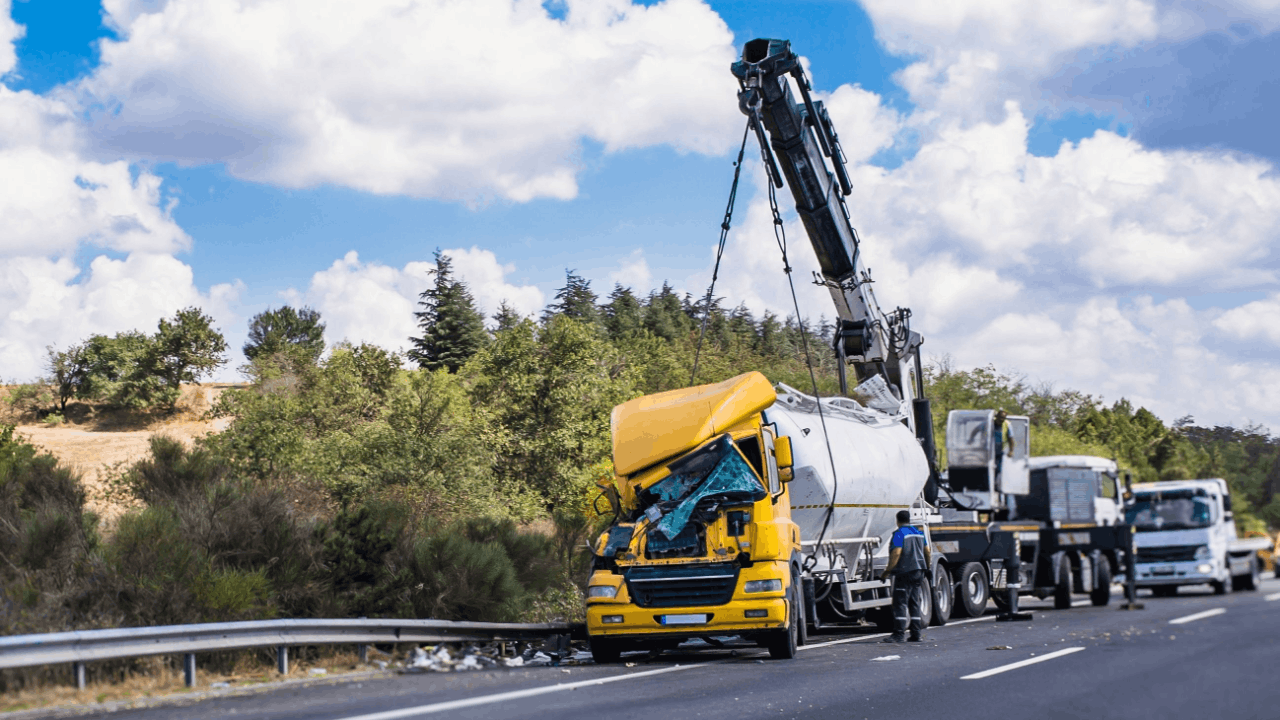
How to Negotiate a Higher Truck Accident Settlement: Expert Negotiation Strategies
Proven Tactics Overview: How to Negotiate a Higher Truck Accident Settlement
How to negotiate a higher truck accident settlement requires strategic evidence presentation, timing expertise, and understanding insurance adjuster psychology to counter their profit-driven minimization tactics. Commercial trucking insurers often present initial proposals that may undervalue claims, expecting victims to accept inadequate compensation without recognizing their leverage. This guide reveals the specific negotiation techniques that may influence settlement discussions, demonstrates how to build irrefutable damage documentation, and explains the timing strategies that may affect insurer decision-making in semi-truck collision cases.
Creating Undeniable Damage Documentation
Comprehensive Medical Validation
Obtain treatment from specialists rather than general practitioners, as specialist care commands higher credibility during negotiations. Secure written medical opinions from multiple physicians confirming injury causation, permanence, and future treatment requirements that insurers cannot easily dispute.
Request detailed medical narratives explaining how your specific injuries directly resulted from collision forces documented in accident reports. These narratives transform medical bills into compelling stories demonstrating legitimate suffering and extensive care necessity.
Document every symptom through daily pain journals recording discomfort levels, activity limitations, medication requirements, and emotional struggles. Photographic evidence showing injury progression, surgical procedures, rehabilitation sessions, and visible scars creates powerful visual proof supporting your damage claims.
Economic Loss Verification
Gather employer statements on company letterhead confirming missed workdays, reduced hours, and diminished job performance affecting bonuses or advancement opportunities. Engage vocational experts who testify regarding your reduced future earning capacity when permanent disabilities prevent returning to previous employment.
Calculate complete economic losses including future medical care through life care plan evaluations by certified specialists. These professional projections prevent insurers from dismissing long-term treatment needs as speculative or unnecessary.
Strengthening Your Negotiation Position
Federal motor carrier safety regulation violations provide exceptional negotiation leverage when documented through electronic logging device data, maintenance records, or driver qualification files. Hours of service violations, inadequate truck maintenance, driver training deficiencies, or cargo securement failures demonstrate clear negligence that insurers recognize as jury-friendly evidence.
Preserve all physical evidence including damaged vehicles, tire fragments, cargo debris, and surveillance footage showing pre-collision trucker behavior. Accident reconstruction experts analyze this evidence, creating testimony that insurers may consider during negotiations.
Identify multiple liable parties beyond the truck driver, including trucking companies, vehicle owners, maintenance contractors, cargo loaders, and equipment manufacturers. Each additional defendant expands available insurance coverage and may affect the scope of available insurance coverage.
When to Negotiate for Maximum Value
Never negotiate before reaching maximum medical improvement, as premature settlements inevitably undervalue unknown future complications. Allow sufficient treatment time for doctors to determine permanent disability extent and project long-term medical requirements accurately.
Reject initial offers immediately, as insurance companies expect counteroffers and interpret quick acceptance as evidence they offered too much. Research comparable verdicts and settlements in your jurisdiction, establishing baseline values that justify your counteroffer amounts with objective data.
Create artificial deadlines by scheduling depositions, filing trial motions, or setting trial dates that pressure insurers toward settlement before incurring substantial litigation costs. Insurers recognize that proceeding to trial can involve unpredictable verdict risks, making pre-trial resolution financially prudent.
How to Negotiate a Higher Truck Accident Settlement Effectively
Begin negotiations with an opening position that allows room for strategic concessions, allowing room for strategic concessions while maintaining leverage toward your true compensation goal. Present detailed settlement demand packages including medical chronologies, economic loss calculations, liability analyses, and comparable case results supporting your valuation.
Respond to lowball offers with specific evidence they ignored rather than simply demanding more money. Reference particular medical opinions, federal regulation violations, or comparable verdicts demonstrating why their offer fails to reflect true claim value.
Communicate confidence in your trial prospects by discussing specific jury-friendly facts including sympathetic injuries, clear trucker negligence, or corporate safety violations that create substantial verdict risk for defendants. Insurance adjusters increase offers when recognizing genuine trial readiness rather than settlement desperation.
Pressure Points and Leverage
Threaten punitive damage claims when evidence suggests gross negligence, reckless driving, or willful safety violations that shock community conscience. Punitive damage exposure may influence how insurers evaluate settlement risk as insurers seek to avoid public trials highlighting corporate misconduct.
File complaints with federal motor carrier safety authorities regarding regulation violations, creating regulatory pressure beyond litigation that motivates trucking companies toward settlement. Reference media interest in egregious cases, as negative publicity provides additional settlement incentive for corporate defendants.
Attorney Representation Impact: Professional Negotiation Advantages
Some studies suggest representation can affect negotiation dynamics and outcomes than unrepresented victims who lack negotiation expertise and damage valuation knowledge. Experienced truck accident attorneys understand adjuster tactics, recognize fair settlement ranges, and possess relationships facilitating productive negotiations.
Attorneys access expert witnesses, conduct thorough investigations, and present professional demand packages that command adjuster respect and higher initial offers. Legal representation signals trial readiness, as insurers recognize that attorneys accept cases expecting substantial recovery justifying contingency fee investments.
Commercial Truck Settlement Negotiation Considerations
How to negotiate a higher truck accident settlement centers on comprehensive damage documentation, federal regulation violation evidence, strategic timing, and professional representation that transforms initial lowball offers into maximum compensation reflecting true injury severity. Confident negotiation backed by irrefutable evidence can affect how early proposals are evaluated during negotiations.
Professional Negotiation Support
Discuss your commercial vehicle accident claim with legal professionals familiar with negotiation strategies who understand adjuster psychology and leverage federal safety violations for optimal results. Our attorneys provide free case evaluations revealing your claim’s true value and proven strategies that may be used during settlement discussions.
Legal professionals looking to expand their trucking accident practice can attorneys sign up to access verified leads from individuals who have suffered serious injuries in commercial vehicle collisions.
Frequently Asked Questions
1. What is the best way to negotiate a higher truck accident settlement?
Document complete damages through specialist medical opinions, identify federal regulation violations establishing clear liability, refuse initial lowball offers, and present comparable verdict data supporting your valuation demands.
2. When should I start negotiating my truck accident settlement?
Begin negotiations only after reaching maximum medical improvement when doctors can accurately assess permanent disabilities and project future medical needs, typically 6-18 months post-collision for serious injuries.
3. How much can negotiation increase my truck accident settlement?
Strategic negotiation consistently increases settlements by 40-60% above initial offers, with some cases achieving 200-300% improvements through compelling evidence presentation and demonstrated trial readiness.
4. Should I accept the first truck accident settlement offer?
No, initial offers average only 20-40% of true claim value as insurers expect counteroffers and interpret quick acceptance as evidence they overpaid.
5. Do I need a lawyer to negotiate a higher settlement?
While not legally required, attorney representation increases average settlements by 3.5 times through expert damage valuation, evidence presentation, and professional negotiation tactics that unrepresented victims cannot replicate.
Key Takeaways
- Successful negotiation requires comprehensive medical documentation from specialists, detailed economic loss calculations, and federal motor carrier safety regulation violation evidence demonstrating clear trucker negligence.
- Initial settlement offers typically represent only 20-40% of true claim value, making immediate rejection and strategic counteroffers essential for achieving maximum compensation.
- Timing negotiations after maximum medical improvement ensures accurate permanent disability assessment and future medical need projections that prevent undervaluing long-term damages.
- Professional legal representation increases average truck accident settlements by 3.5 times through expert witness access, thorough investigations, and credible demand packages commanding adjuster respect.
- Creating trial pressure through expert retention, discovery completion, and scheduled court dates motivates insurers toward higher settlements avoiding verdict risks averaging three times negotiated amounts.