
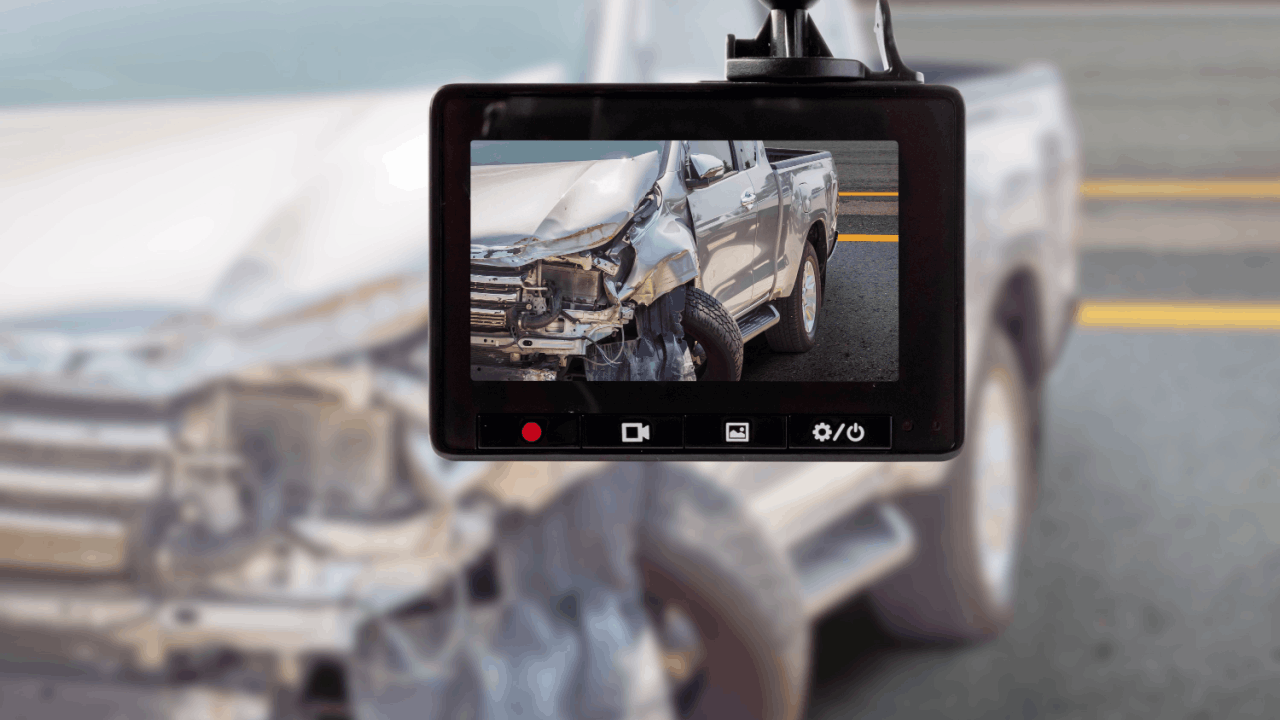
Dashcam Footage in Crashes | Secure Evidence Before It Disappears
Your Dashcam Evidence Guide: Dashcam Footage in Crashes Explained
One of the single most powerful piece of evidence in a trucking accident claim is the dashcam footage in crashes. According to the National Safety Council, large truck crashes injure over 100,000 people annually in the U.S. When video evidence exists, it removes guesswork — and can directly determine who pays.
Trucking companies invest heavily in onboard cameras precisely because footage protects their interests first. Victims who act fast can flip that advantage.
Understanding how dashcam and truck camera systems work gives injured victims a fighting chance. This guide explains how to preserve footage, who legally controls it, and why moving quickly is critical to your compensation.
Key Legal Concepts: How Dashcam Footage in Crashes Builds Your Case
Modern commercial trucks often carry multiple camera systems — forward-facing dashcams, inward-facing cab cameras, and event data recorders (EDRs). These systems continuously capture speed, braking, lane position, and driver behavior in the seconds before impact.
When dashcam footage in crashes captures a driver running a red light, following too closely, or using a phone, it establishes negligence with visual certainty. Eyewitness accounts can be challenged. Timestamped video rarely can.
Three reasons dashcam footage is decisive:
- It captures real-time driving behavior before, during, and after impact
- It documents road and weather conditions objectively
- It counters false or misleading driver statements
According to the Federal Motor Carrier Safety Administration (FMCSA), driver error contributes to approximately 87% of large truck crashes. Dashcam systems record exactly that error — when preserved correctly.
Legal Process: Who Controls Dashcam Footage in Crashes — and For How Long
Here’s what most victims don’t realize: trucking companies own the dashcam systems and control the footage. Without legal intervention, they are not required to preserve it indefinitely.
Most commercial dashcam systems overwrite data within 24 to 72 hours unless a preservation hold is issued. Once that window closes, the footage is often unrecoverable.
Step-by-step: How attorneys preserve crash footage
- Send a legal spoliation letter to the trucking company immediately
- Demand preservation of all onboard camera systems, EDR data, and GPS logs
- File for emergency discovery if the company refuses compliance
- Subpoena third-party dashcam vendors or cloud storage providers
- Engage accident reconstruction experts to analyze recovered footage
A trucking accident lawyer can initiate this process within hours of being retained. Waiting days — or even overnight — risks permanent evidence loss.
Proven Legal Solutions: Using Dashcam Evidence to Maximize Truck Crash Compensation
Dashcam footage in crashes doesn’t just prove fault — it directly impacts how much compensation victims recover. When liability is visually documented, insurers have significantly less leverage to dispute claims or minimize payouts.
According to research published by the Insurance Institute for Highway Safety (IIHS), commercial vehicles equipped with forward collision systems and cameras are involved in fewer disputed liability claims. When footage does exist, settlements often reflect full damages more accurately.
Compensation categories supported by dashcam evidence:
- Medical expenses — current and future treatment costs
- Lost wages — income lost during recovery
- Pain and suffering — physical and emotional impact
- Property damage — vehicle and personal property loss
- Wrongful death — losses suffered by surviving family members
Video evidence also strengthens cases involving multiple liable parties. Trucking companies, cargo loaders, fleet maintenance contractors, and even truck manufacturers can share liability — and footage often reveals which party’s failure triggered the crash. Connecting with exclusive trucking leads ensures attorneys handling these complex cases reach victims before evidence disappears.
Protect Your Dashcam Footage in Crashes Claim Today
Evidence vanishes fast after a truck accident. If dashcam footage exists, the clock is already running. Contact a qualified trucking accident attorney immediately to demand preservation, protect your legal rights, and pursue the full compensation you deserve. Get your free claim review now before critical footage is overwritten forever.
Frequently Asked Questions
1. Can I personally request dashcam footage after a truck crash?
You can request it, but trucking companies are not obligated to provide it without legal action — an attorney’s preservation demand carries far more weight.
2. How long do trucking companies keep dashcam footage?
Most systems overwrite footage within 24 to 72 hours; without a legal hold, evidence can be permanently lost within days of the crash.
3. Does dashcam footage always help the victim in a truck accident case?
In most cases, yes — when footage shows driver error or violations, it directly supports the victim’s negligence claim and strengthens settlement value.
4. What if the trucking company claims the dashcam wasn't working?
An attorney can subpoena maintenance logs and vendor records to verify whether the system was functional and whether footage was deliberately withheld or deleted.
5. Can dashcam footage be used in court?
Yes, properly authenticated dashcam footage is admissible as evidence and can be highly persuasive to juries and insurance adjusters alike.
Key Takeaways
- Dashcam footage in crashes is time-sensitive — trucking companies can overwrite data within 24–72 hours without a legal hold.
- A trucking accident attorney can issue an immediate spoliation letter to force evidence preservation before footage disappears.
- Commercial truck camera systems often capture speed, braking, and driver behavior that directly proves negligence.
- Video evidence can expand liability beyond the driver to include the trucking company, cargo loaders, and maintenance contractors.
- Acting within hours — not days — after a truck crash dramatically increases your chances of securing decisive visual evidence.