Overloaded Truck Risks and the Legal Rights of Accident Victims
Critical Facts: Overloaded Truck Risks
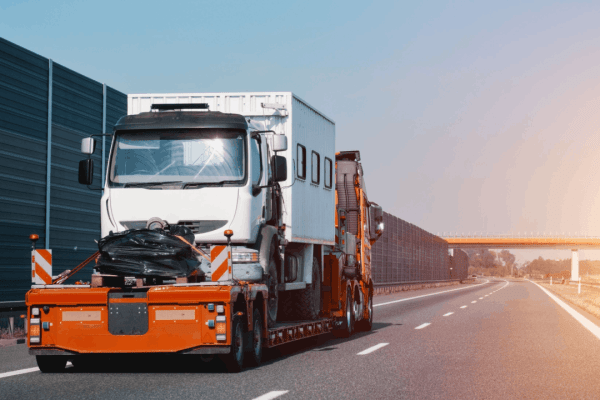
Overloaded truck risks are among the most dangerous conditions on U.S. highways. When a commercial truck exceeds its legal weight limit, stopping distances increase dramatically, tires blow out more easily, and the driver loses critical control — leaving innocent victims seriously injured or killed.
Overloaded Truck Risks: What You Need to Know First
Every year, overloaded and improperly loaded commercial trucks contribute to thousands of preventable crashes across the United States. According to the Federal Motor Carrier Safety Administration (FMCSA), weight and load violations are among the most cited regulatory infractions during roadside inspections — and for good reason. Excess cargo weight changes how a truck handles, brakes, and corners, making overloaded truck risks a serious public safety threat. If you or a loved one was hurt in a crash involving an overweight truck, understanding how federal weight laws work can significantly strengthen your injury claim.
Step-by-Step Claims: How Overloaded Trucks Create Legal Liability
When a trucking company ignores federal weight limits, it doesn’t just break the law — it opens the door to direct legal liability. Under federal regulations, most commercial trucks are limited to 80,000 pounds gross vehicle weight on interstate highways. Exceeding that limit is a federal violation that can be used as evidence of negligence in a personal injury claim.
Here’s how overloading creates liability:
- Violation of federal weight limits — establishes negligence per se
- Brake failure due to excess weight — shifts responsibility to the carrier
- Tire blowouts from overloading — demonstrates foreseeable danger
- Improper load securement — adds additional FMCSA violations
- Rollover or jackknife events — directly tied to overweight conditions
Multiple parties can be held responsible, including the trucking company, cargo loader, shipping broker, and even the truck manufacturer if equipment failed under excessive strain. A qualified trucking accident lawyer will investigate all responsible parties to maximize your compensation.
Common Truck Challenges: The Physical Dangers of Overloaded Vehicles
The physical consequences of overloaded truck risks are severe and well-documented. According to research from the Insurance Institute for Highway Safety (IIHS), large truck crashes kill approximately 5,000 people annually in the United States — and load-related violations are a contributing factor in a significant percentage of those fatal collisions.
How excess weight makes trucks more dangerous:
- Extended stopping distance — An overloaded truck traveling at 65 mph can require 40% more distance to stop than a properly loaded one
- Structural stress on roads and bridges — Overweight trucks weaken infrastructure, creating additional hazards
- Increased rollover risk — Higher center of gravity from excess cargo destabilizes the vehicle in turns
- Tire blowouts — Overloading causes heat buildup in tires, dramatically increasing blowout frequency
- Brake system failure — Brake components are rated for specific load weights; excess cargo accelerates wear and failure
These dangers don’t just affect the truck driver. They place every nearby motorist, pedestrian, and cyclist in serious jeopardy. Understanding liability and negligence in overloaded truck crashes is essential for victims pursuing fair compensation.
Proven Legal Solutions: What Your Overloaded Truck Claim Can Recover
Victims injured in overloaded truck crashes may be entitled to substantial compensation. Because these cases often involve federal regulatory violations, damages can be significant — especially when a trucking company knowingly exceeded weight limits to cut costs or meet delivery deadlines.
Compensation categories commonly recovered include:
- Medical expenses — current and future treatment costs
- Lost wages and reduced earning capacity
- Pain and suffering — physical and emotional
- Permanent disability or disfigurement
- Wrongful death damages for surviving family members
Trucking companies carry commercial liability policies that are far larger than standard auto insurance — often $1 million or more. However, their insurers and legal teams act quickly after an accident to minimize payouts. That’s why documenting overloaded truck risks at the scene — photographs, weigh station records, black box data — is critical evidence your attorney will need. Attorneys who handle exclusive trucking accident leads understand exactly how to build these cases from the ground up.
Get Help With Overloaded Truck Risks Today
If an overloaded commercial truck caused your accident, you may have a powerful legal case backed by federal violations. Don’t wait — evidence disappears quickly and legal deadlines apply. Visit Trucking Accident free claim review today to connect with an experienced truck accident attorney who can evaluate your case at no cost and fight for the full compensation you deserve.
Frequently Asked Questions
1. What are overloaded truck risks on the highway?
Overloaded trucks have longer stopping distances, increased rollover potential, and higher blowout risk, making them significantly more dangerous to surrounding motorists than properly loaded commercial vehicles.
2. How do I know if the truck that hit me was overloaded?
Your attorney can subpoena weigh station records, bill of lading documents, and black box data to determine whether the truck exceeded federal weight limits at the time of your crash.
3. Who is liable when an overloaded truck causes an accident?
Liability may extend to the trucking company, cargo loader, shipping broker, or freight company — anyone involved in loading or approving an overweight shipment can potentially be held responsible.
4. What federal laws govern commercial truck weight limits?
The FMCSA sets a maximum gross vehicle weight of 80,000 pounds for most interstate commercial trucks; violations of these limits can be used as direct evidence of negligence in your injury claim.
5. How long do I have to file an overloaded truck accident claim?
Statutes of limitations vary by state but typically range from one to three years; consulting a truck accident attorney as soon as possible protects your right to recover compensation.
Key Takeaways
- Overloaded truck risks include brake failure, tire blowouts, extended stopping distances, and rollover crashes that seriously injure or kill innocent motorists.
- Federal weight limits set by the FMCSA cap most commercial trucks at 80,000 pounds; violations create direct evidence of negligence in injury claims.
- Multiple parties — including carriers, cargo loaders, and shipping brokers — can be held liable for damages caused by an overweight truck.
- Victims may recover medical costs, lost wages, pain and suffering, and wrongful death damages in overloaded truck accident cases.
- Acting quickly after an overloaded truck crash preserves critical evidence and protects your right to full legal compensation.