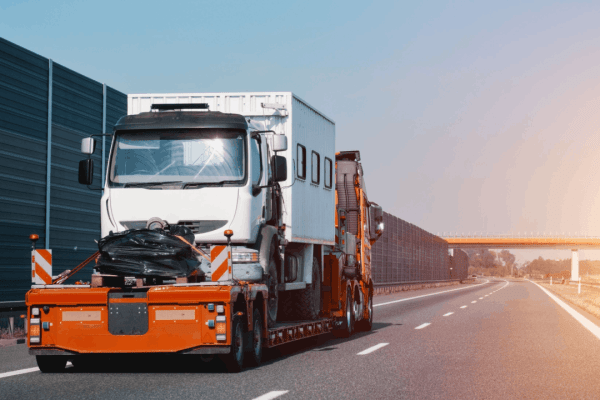

Who Pays a Truck Accident Claim
After a Collision: Who Pays a Truck Accident Claim?
Truck accident claims are rarely straightforward. Multiple parties can share responsibility for a single crash. Understanding who pays a truck accident claim requires a careful review of the facts. Federal rules, driver records, vehicle maintenance logs, and cargo documentation all play a role. Victims often face large insurance carriers and legal teams acting fast to limit liability. Knowing how the process works may help you protect your rights. This article explains common liable parties, how claims typically unfold, and what steps may matter most after a crash.
Federal Rules Often Shape Liability in Trucking Claims
Trucking is one of the most regulated industries in the country. The Federal Motor Carrier Safety Administration enforces rules on driver hours, vehicle inspections, and load limits. When those rules are violated, it can affect who is held responsible.
The Truck Driver
A driver may be liable if they were speeding, fatigued, distracted, or impaired. Violations of federal hours-of-service rules are common factors in crash investigations. Driving logs and electronic data recorders often reveal whether a driver exceeded legal driving limits.
The Trucking Company
Employers may share liability for their drivers under a legal principle called vicarious liability. Companies that hire unqualified drivers or fail to enforce safety policies may also face independent claims. Courts and insurers often examine hiring records, training programs, and maintenance schedules.
Third Parties
Cargo loading companies can be liable if improper loading caused the truck to jackknife or rollover. Vehicle manufacturers may be responsible if a defective part contributed to the crash. Each party may carry separate insurance coverage, which can complicate the claims process.
How Trucking Accident Insurance Works
Commercial trucks are required to carry significantly higher insurance limits than passenger vehicles. The National Highway Traffic Safety Administration tracks crash data and supports federal policies on commercial vehicle safety. Insurance requirements vary depending on the type of cargo and the size of the vehicle.
Primary Liability Coverage
The trucking company’s insurer is often the first point of contact. They may conduct their own investigation quickly after a crash. This is why preserving evidence as early as possible can matter.
Multiple Insurance Policies
A single crash may involve several active policies. The driver may carry personal coverage. The cargo company may have its own policy. Each insurer will evaluate fault separately. Coordination between multiple carriers can slow the settlement process.
Underinsured and Uninsured Scenarios
In rare cases, a responsible party may lack adequate coverage. Your own uninsured or underinsured motorist policy may apply. An attorney can help determine what coverage options exist in your specific situation.
What the Claims Process Typically Looks Like
Filing a truck accident claim involves several steps. The Occupational Safety and Health Administration sets standards that may also apply to commercial trucking operations. Understanding the general process may help manage expectations after a serious crash.
Evidence Gathering
Investigators may examine the truck’s black box, driver logs, maintenance records, and dashcam footage. Physical evidence from the crash scene is also critical. Acting quickly often helps preserve that evidence before it is lost or overwritten.
Fault Determination
Insurance adjusters and attorneys review all available evidence to assign fault. In some states, comparative fault rules allow multiple parties to share liability. The share of fault assigned to each party can affect the outcome of a claim.
Negotiation and Resolution
Most truck accident claims are resolved through negotiation rather than trial. The process can take months, especially when injuries are severe or multiple parties are involved. An attorney experienced in trucking cases may be able to help navigate insurer negotiations.
Mistakes That Can Affect a Truck Accident Claim
Certain actions after a crash can complicate your claim. Giving a recorded statement to an insurer without legal counsel can be risky. Delaying medical treatment may give insurers reason to dispute the severity of your injuries.
Accepting an early settlement offer without reviewing it carefully is another common mistake. Early offers may not account for long-term medical costs or future impacts. It is generally advisable to consult an attorney before agreeing to any settlement terms.
Sorting Out Liability Takes the Right Support
Understanding who pays a truck accident claim is not always simple. Liability can involve multiple parties, overlapping insurance policies, and complex federal regulations. The claims process often moves fast on the insurer’s side. Having clear information and qualified legal support may make a meaningful difference in how your claim proceeds. Speaking with a licensed attorney can help clarify your options under the specific facts of your case.
Connect With Trucking Accident Legal Resources
Learning more about liability and the claims process is an important first step. A qualified attorney can help you understand how federal trucking laws may apply to your situation. Explore resources on exclusive trucking leads, review truck accident information, and learn more about liability and negligence to take the next step.
Frequently Asked Questions
1. Who is most often responsible for paying a truck accident claim?
Responsibility often falls on the trucking company, the driver, or both, depending on how the crash occurred and what regulations were violated.
2. Can more than one party be liable in a truck accident?
Yes. Cargo loaders, maintenance contractors, and vehicle manufacturers may all share liability alongside the driver and carrier.
3. How long does a truck accident claim typically take?
Timelines vary widely based on injury severity, the number of parties involved, and how quickly evidence is gathered and reviewed.
4. Does the trucking company's insurer handle my claim directly?
The carrier’s insurer often leads the process, but multiple policies may apply depending on who is found at fault.
5. What should I do first after a truck accident?
Seek medical attention right away, document the scene if safe to do so, and consult a licensed attorney before speaking with any insurer.
Key Takeaways
- Who pays a truck accident claim depends on fault, evidence, and applicable federal regulations.
- Liable parties may include the truck driver, the carrier, cargo handlers, or vehicle manufacturers.
- Commercial trucking insurance requirements are higher than for passenger vehicles, but multiple policies may still apply.
- Preserving evidence quickly after a crash can be critical to the outcome of a claim.
- Consulting a licensed attorney may help you understand your legal options before accepting any settlement.