
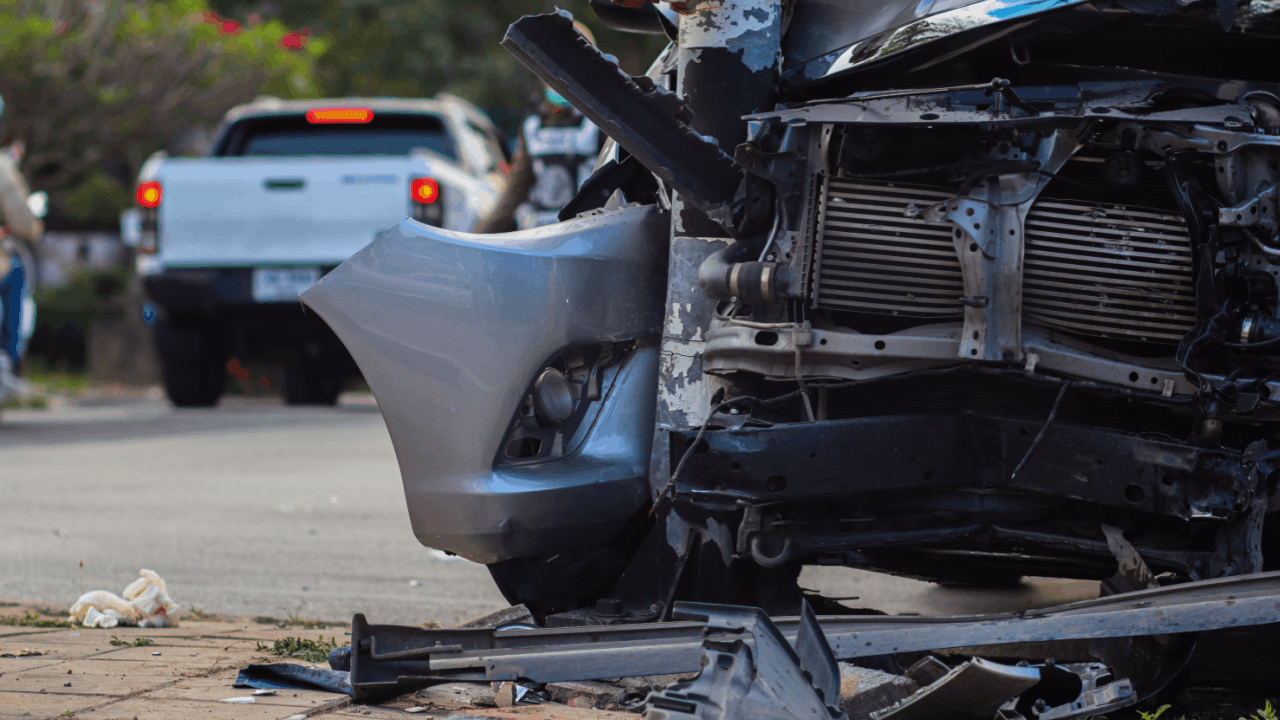
Are Semis Safer Than Cars? Crash Data, Risk Factors, and Legal Rights
Roads Tell a Story: Are Semis Safer Than Cars for Other Drivers?
Are semis safer than cars when measured by crash volume? In many ways, no — not for the people around them. Commercial trucks make up a small share of all vehicles on the road. Yet their involvement in fatal crashes creates a disproportionate burden for passenger vehicle occupants.
According to the Insurance Institute for Highway Safety, large truck drivers had 1.3 fatal crashes per 100 million miles traveled in 2023. Passenger vehicle drivers had a rate of 1.6 during the same period. So in raw per-mile terms, semi drivers crash fatally less often than car drivers.
But that comparison shifts dramatically when you look at outcomes for others. The National Safety Council reports that in 2024, over 72% of injuries in large-truck crashes occurred to occupants of other vehicles. Truck occupants accounted for only 26% of those injuries.
The size and weight difference explains this gap. A loaded semi can weigh up to 80,000 pounds. A passenger car typically weighs around 3,500 pounds. When they collide, the physics are rarely balanced. Smaller vehicles absorb most of the destructive force. This is why trucking accident injuries are often catastrophic and long-lasting.
Weight and Physics: Why Semi Crashes Hit Harder
The structural difference between semis and cars goes beyond size. Commercial trucks are built to haul freight, not to absorb crash energy the same way passenger vehicles are. Modern cars are engineered with crumple zones and airbag systems designed to protect occupants. Semis are not built with the same occupant-protection priorities for those outside the cab.
Stopping distances compound this danger. A fully loaded semi traveling at highway speed needs significantly more distance to stop than a passenger car. According to federal safety guidelines, a truck at 65 mph may need nearly two football fields to stop safely. A car traveling at the same speed stops in roughly a third of that distance.
Blind spots also factor into crash severity. Semi-trucks have large no-zones on all four sides. Drivers in those zones may not be visible to the trucker at all. Crashes that result from blind spot violations are often severe because the trucker may not have braked before impact.
When you combine these physical realities with the high-speed environments where semis operate, the injury potential is significant. Many victims of semi-truck crashes suffer spinal injuries, traumatic brain injuries, or permanent disability.
Legal Complexity: Who May Be Responsible After a Semi Crash
Trucking accident claims differ from standard car accident claims in important legal ways. Multiple parties may share responsibility depending on the facts of the case. The driver may bear direct liability. But the trucking company, cargo loader, maintenance provider, or truck manufacturer may also face legal scrutiny.
Federal regulations add another layer. The Federal Motor Carrier Safety Administration sets rules for driver rest periods, vehicle inspections, and cargo securement. When those rules are violated, evidence of negligence may exist beyond the crash itself. Understanding negligence and liability in these cases often requires a careful review of logs, inspection records, and employment contracts.
Proving fault in a trucking accident may involve accessing electronic logging device data, black box records, and maintenance histories. This evidence is often time-sensitive. It may be overwritten or discarded if not preserved quickly. Acting promptly after a crash may help protect access to this information.
Because semi-truck crashes often produce serious injuries, the damages at stake can be substantial. Medical expenses, lost income, long-term care, and pain and suffering may all factor into a claim. The outcome of any case may depend on the facts, the evidence, and the applicable state and federal laws.
What Victims Should Know: Steps After a Semi-Truck Crash
If you were involved in a crash with a semi-truck, the steps you take early can matter. Seeking medical attention right away is critical. Some injuries — including internal trauma and concussions — may not be immediately apparent. A documented medical record also supports any future legal claim.
Reporting the crash to law enforcement creates an official record. Photographs of the scene, vehicle damage, and road conditions can be valuable. Collecting witness information, if possible, also helps build a factual foundation.
You should avoid giving recorded statements to insurance companies before speaking with legal counsel. Insurers may use early statements to minimize the value of a claim. A qualified trucking attorney can advise you on how to protect your rights throughout this process.
Understanding truck accident claims is not something most people do before a crash occurs. That is why speaking with someone experienced in this area of law may help you navigate a process that is rarely straightforward.
Moving Forward: Understanding Your Options After a Semi Crash
So, are semis safer than cars? For truck drivers themselves, per-mile crash rates suggest a modest safety advantage. But for people in passenger vehicles sharing the road, the risks are serious and the consequences of a crash can be life-altering.
The legal landscape after a trucking accident is more complex than a typical car crash. Federal regulations, multiple liable parties, and time-sensitive evidence all require careful attention. Victims deserve clear information and access to qualified legal guidance as they decide how to move forward.
Explore Legal Help: Know Your Rights After a Crash
If you or someone you love was hurt in a semi-truck accident, exploring your legal options is a reasonable next step. You are not required to navigate this alone. Trucking accident claims involve specific laws and regulations that a licensed attorney can help explain.
Learning more about your situation costs nothing at the outset. You can request attorney assistance to connect with legal professionals who focus on trucking accident cases. A qualified attorney can review the facts and help you understand what steps may be available to you.
Frequently Asked Questions
1. Are semis safer than cars for truck drivers?
Per-mile fatality data suggests truck drivers crash fatally less often than passenger vehicle drivers. However, the people around them face significantly higher injury risk in a collision.
2. Why are semi-truck crashes more dangerous for car occupants?
The weight difference between a loaded semi and a passenger car is dramatic. Cars absorb far more destructive force in a collision, which often results in more severe injuries for their occupants.
3. Who can be held responsible in a semi-truck accident?
Responsibility may extend beyond the driver. Trucking companies, cargo handlers, maintenance providers, and manufacturers may all face legal scrutiny depending on the circumstances.
4. How long do I have to file a trucking accident claim?
Filing deadlines — called statutes of limitations — vary by state. Acting promptly helps preserve evidence and protects your legal options. A licensed attorney can explain the timeline in your state.
5. What evidence matters in a trucking accident case?
Electronic logging device data, black box records, maintenance logs, and driver qualification files may all be relevant. This evidence may be time-sensitive and should be preserved as early as possible.
Key Takeaways
- Semi-truck drivers have a lower per-mile fatal crash rate than passenger vehicle drivers, but car occupants bear the majority of injuries when a collision occurs.
- The extreme weight difference between semis and passenger cars makes trucking accident injuries disproportionately severe.
- Multiple parties — including the driver, carrier, and others — may share legal responsibility depending on the facts of a case.
- Federal regulations govern commercial trucking, and violations of those rules may constitute evidence of negligence.
- Acting quickly after a trucking accident may help preserve critical evidence and protect your legal options.