Does Liability Mean Fault in a Truck Accident? | Understanding Legal Responsibility
Truck Accident Guide: Does Liability Mean Fault in a Truck Accident? Understanding Compensation Claims
Does liability mean fault in a truck accident? While these terms are often used interchangeably, liability and fault have distinct legal meanings that significantly impact your ability to seek compensation after a commercial vehicle collision. Understanding this difference can help you better evaluate your options and the claims process.
When an 18-wheeler, tractor-trailer, or other large commercial truck collides with your vehicle, determining who bears legal responsibility involves complex federal regulations and state laws. The distinction between fault and liability affects who may be responsible for your injuries, how compensation claims are evaluated, and which parties can be held accountable. Many truck accident victims assume these terms mean the same thing, which can lead to confusion during the claims process.
This comprehensive guide explains the legal differences between fault and liability in trucking accidents, how courts and insurance companies determine responsibility, and what these distinctions mean for your compensation claim. You’ll learn about FMCSA regulations that govern commercial trucking, multiple liable parties beyond just the truck driver, and how comparative fault rules may affect your case. Whether you were injured by a semi-truck, big rig, or commercial delivery vehicle, understanding these concepts may help you make informed decisions about next steps.
Truck Accident Terms: Understanding Fault Versus Liability in Commercial Vehicle Crashes
What Fault Means in Truck Accidents
Fault addresses causation—which party’s actions or negligence directly led to the commercial vehicle accident. When a truck driver runs a red light, drives while fatigued, or violates FMCSA hours-of-service regulations, they may be at fault. Fault focuses on the specific unsafe behaviors or rule violations that caused the crash.
What Liability Means in Truck Accidents
Liability extends beyond the at-fault party to include all entities that may be legally responsible for compensating victims. In commercial trucking accidents, liability often involves multiple parties including the trucking company, cargo loaders, maintenance contractors, and vehicle manufacturers. These parties may be liable even if they weren’t directly at fault for the collision.
Legal liability can arise through various theories including respondeat superior (employer responsibility for employee actions), negligent hiring or training, inadequate vehicle maintenance, or violations of DOT safety regulations. This means a trucking company may be liable for an accident caused by their driver’s fatigue, even if the company didn’t directly cause the crash.
Federal Regulation Insights: FMCSA Rules That Establish Commercial Vehicle Liability
Hours of Service Violations
FMCSA hours-of-service rules limit how long truck drivers can operate their vehicles without rest breaks. When trucking companies pressure drivers to exceed these limits or fail to monitor compliance, they may create liability even if the driver is at fault for the actual collision. Electronic logging device (ELD) data often reveals hours-of-service violations that can establish company liability.
Maintenance and Inspection Requirements
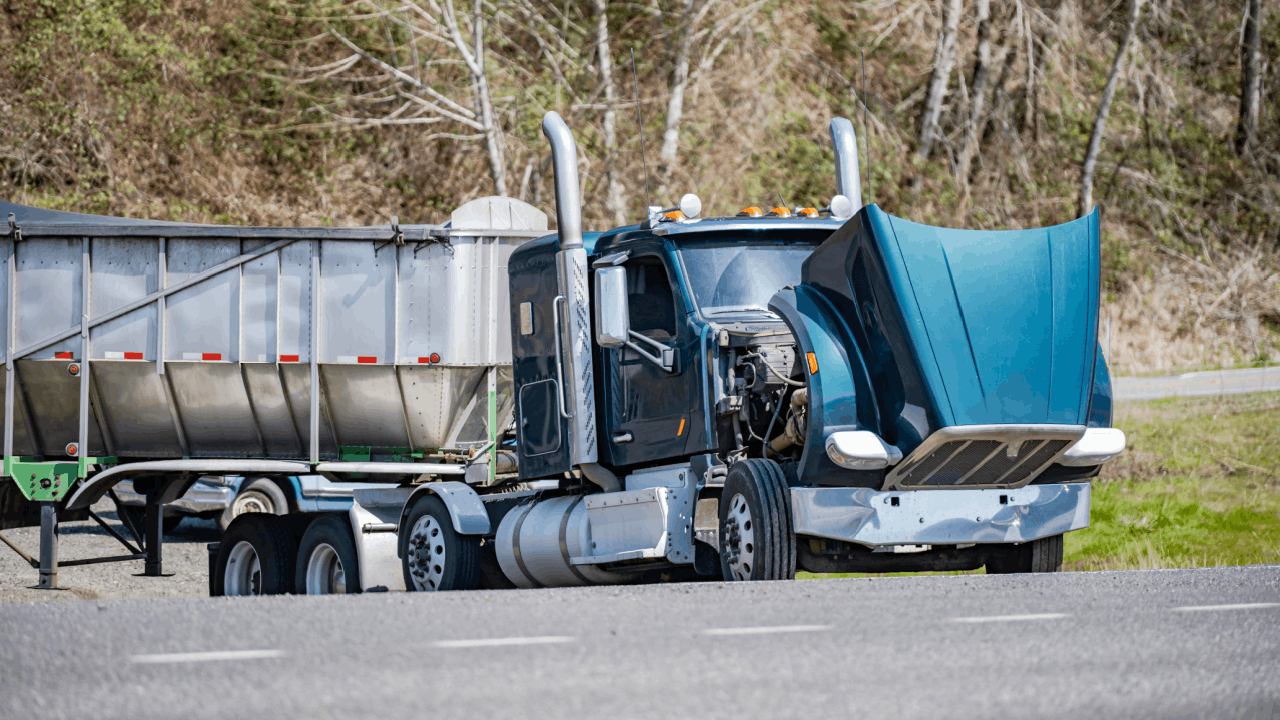
Commercial vehicles must undergo regular inspections and maintenance according to DOT standards. When inadequate brake maintenance contributes to a semi-truck accident, the trucking company or maintenance contractor may face liability regardless of who was driving. Federal regulations require detailed maintenance records, and gaps in these records can establish negligence.
Driver Qualification Standards
FMCSA regulations mandate specific training, licensing, and medical certification for commercial truck drivers. Trucking companies that hire unqualified drivers, fail to conduct proper background checks, or don’t provide adequate training may create liability when those drivers cause accidents. This regulatory framework means companies cannot simply blame individual drivers while escaping responsibility for systemic safety failures.
Liability Options Compared: Single Versus Multiple Party Responsibility in Truck Crashes
The Truck Driver’s Individual Liability
The commercial vehicle operator who directly caused the collision may bear individual liability for their negligent actions. This includes violations like distracted driving, speeding, improper lane changes, or driving under the influence. Even when other parties share liability, the at-fault driver may remain personally responsible.
Trucking Company Liability
Motor carriers may face liability through multiple legal theories. Under federal law, trucking companies can be responsible for their drivers’ actions during work hours. Companies may also face direct liability for negligent hiring, inadequate training programs, failure to maintain vehicles, or policies that encourage drivers to violate safety regulations. Many commercial trucking operations deliberately structure their businesses to limit liability, making it essential to identify all corporate entities involved.
Third-Party Contractor Liability
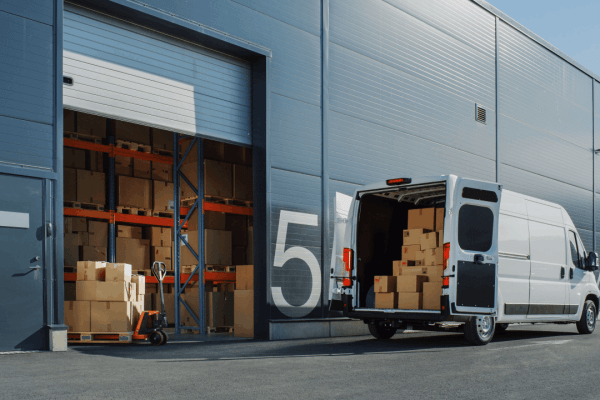
Modern trucking operations often involve independent contractors for maintenance, cargo loading, and other services. Maintenance companies that improperly repair brakes or other critical systems may face liability when those failures cause accidents. Cargo loading companies can be liable when improperly secured freight shifts and causes a big rig to lose control.
Step-by-Step Truck Claims: How Courts Determine Liability in Commercial Vehicle Cases
Investigation and Evidence Collection
Comprehensive truck accident investigations examine driver logs, ELD data, maintenance records, company safety policies, hiring practices, and training documentation. Federal regulations require trucking companies to preserve this evidence, but requests must be made promptly before records are destroyed or altered. Black box data from the commercial vehicle provides important evidence about speed, braking, and driver actions before impact.
Regulatory Compliance Analysis
Attorneys examine whether the trucking company, driver, and related parties complied with FMCSA regulations governing hours of service, vehicle maintenance, driver qualifications, cargo securement, and drug/alcohol testing. Regulatory violations may establish negligence per se, meaning the violation itself can prove negligence without requiring additional proof of fault.
Corporate Structure Investigation
Many trucking operations use complex corporate structures with multiple entities to limit liability exposure. Identifying all related companies, subsidiaries, and contractors requires thorough investigation of business relationships, insurance policies, and operational control. Parent companies may be liable even when a subsidiary technically employed the driver.
Multiple Jurisdiction Considerations
Commercial trucks often cross state lines, creating complex jurisdictional questions about which state’s laws apply to liability determinations. Some states apply comparative negligence rules that may reduce compensation if the victim shares any fault, while others use contributory negligence systems. These variations can affect liability assessments and how claims are evaluated.
Common Truck Challenges: Why Liability Disputes Arise in Big Rig Accidents
Independent Contractor Arguments
Trucking companies frequently claim drivers are independent contractors rather than employees to avoid liability. Federal law examines the actual relationship, not just the contract label. Courts consider factors like who controls work schedules, provides equipment, and directs daily operations. Even when drivers are technically independent contractors, companies may still face liability for negligent selection or retention.
Comparative Fault Defenses
Insurance companies often argue truck accident victims share fault to reduce liability. They may claim you were speeding, distracted, or failed to yield, even when the commercial vehicle operator bore primary responsibility. Many states reduce compensation based on your percentage of fault, making these disputes critical to your potential recovery.
Preemption Arguments
Trucking companies sometimes argue that federal FMCSA regulations preempt state law claims, limiting liability. While federal regulations establish minimum standards, courts generally allow state law negligence claims that exceed these minimums. Understanding preemption defenses can help clarify how federal rules interact with state-law liability claims.
Expert Legal Opinions: How Fault Differs From Liability in Multi-Vehicle Truck Crashes
Chain Reaction Collisions
When a semi-truck’s actions trigger a multi-vehicle pileup, liability may extend beyond the initially at-fault driver. If brake failure caused the truck to rear-end a vehicle, starting a chain reaction, the trucking company and maintenance provider may be liable even though other drivers’ actions contributed to subsequent impacts. Each collision in the sequence requires separate analysis of fault versus liability.
Shared Commercial Vehicle Liability
Multiple trucking companies may share liability when their vehicles are involved in the same accident. If one big rig makes an unsafe lane change causing another commercial truck to swerve and strike your vehicle, both trucking operations may bear liability even though only one driver was at fault for the initial unsafe action.
Liability for Accidents Caused by Avoiding Hazards
When your evasive action to avoid an out-of-control tractor-trailer results in a collision, the original hazard creator may be liable even though they never made contact with your vehicle. This phantom vehicle liability requires proving the commercial truck’s actions directly caused the chain of events leading to your injuries.
Legal Solutions: Protecting Your Rights When Liability Is Disputed
Immediate Evidence Preservation
Evidence preservation letters may be sent to trucking companies, maintenance contractors, and other potentially liable parties soon after an accident, depending on the circumstances. These letters legally obligate them to preserve electronic logging devices, maintenance records, training documentation, safety policies, and other evidence. Records may be lost or overwritten over time if they are not preserved.
Comprehensive Medical Documentation
Thorough medical records linking your injuries directly to the truck accident are essential when liability is disputed. Insurance companies scrutinize gaps in treatment, pre-existing conditions, or alternative explanations for injuries. Consistent medical care and detailed documentation may help support how injuries relate to the collision when liability is disputed.
Multiple Insurance Policy Investigation
Commercial trucking operations maintain various insurance policies including auto liability, cargo insurance, general liability, and umbrella coverage. Each policy may cover different aspects of liability, and multiple insurers may share responsibility. Identifying all applicable policies can clarify which coverages may apply.
Understanding Comparative Negligence Impact
If you share any fault for the truck accident, understand how your state’s comparative negligence rules affect liability. Some jurisdictions bar recovery if you bear any fault, while others reduce compensation proportionally. This knowledge can help you understand how shared-fault arguments may be evaluated in your jurisdiction.
Comprehensive Truck Summary: Key Distinctions Between Fault and Liability in Your Case
Does liability mean fault in a truck accident affecting your compensation options? Understanding that liability can involve broader legal responsibility than fault may help explain why more than one party could be involved in a claim for injuries, lost income, and other damages resulting from commercial vehicle collisions.
Federal FMCSA regulations create additional liability pathways through requirements for driver qualifications, hours of service, vehicle maintenance, and cargo securement. In some jurisdictions, certain regulatory violations may be used as evidence in negligence analysis, depending on how the facts relate to the collision. Understanding these regulations helps identify liable parties who might otherwise avoid responsibility.
Legal Consultation: Get Answers About Liability and Fault in Your Truck Accident Case
Does liability mean fault in a truck accident involving your specific circumstances? Every commercial vehicle collision presents unique liability questions based on the parties involved, applicable regulations, and facts of your case.
Understanding liability and negligence is often an early step in evaluating what happened after a serious trucking accident. Determining which parties may bear legal responsibility, how federal regulations apply to your situation, and what evidence you need to prove liability may benefit from legal review, depending on the facts and parties involved. Commercial vehicle accidents often involve multiple potentially liable parties, from truck drivers and trucking companies to maintenance providers and cargo loaders. If you’re dealing with injuries after a semi-truck or tractor-trailer collision, you may wish to speak with a licensed attorney about how liability and evidence issues are typically evaluated. Consulting with a trucking accident attorney may help you understand the specific regulations and liability factors that apply to your situation.
Law firms handling trucking accident cases may benefit from exclusive trucking leads to connect with individuals seeking legal representation.
Frequently Asked Questions
1. Does liability mean fault in a truck accident if the driver was following orders?
No, Liability concerns legal responsibility for damages, while fault relates to who caused the crash. Even if a driver followed company orders, both the driver and trucking company may share liability if those instructions violated safety regulations or created unsafe conditions.
2. Can trucking companies be liable even if the truck driver wasn't at fault?
Yes, Trucking companies may be liable under federal regulations or employer responsibility principles, even if the driver did nothing wrong. Poor maintenance, negligent hiring, improper training, or unsafe company policies can create independent company liability separate from driver fault.
3. How does FMCSA compliance affect whether liability means fault in a truck accident?
FMCSA regulations set safety standards for commercial carriers. Violations involving hours-of-service, maintenance, or cargo securement can establish negligence and influence liability findings. Even partial noncompliance may shift responsibility toward the carrier, regardless of whether the driver personally intended to cause harm.
4. Does liability mean fault in a truck accident involving cargo shifting or falling?
Cargo accidents often involve shared liability. Responsibility may extend to cargo loaders, shippers, or trucking companies required to follow federal securement rules. When shifting or falling cargo causes injury, fault may be distributed among all parties responsible for proper loading and inspection.
5. Can vehicle manufacturers be liable when they weren't at fault for how the truck was driven?
Yes, Manufacturers may face product liability if defective brakes, tires, steering systems, or coupling devices contributed to the crash. These claims focus on dangerous design or manufacturing defects, not driver behavior, allowing injured parties to pursue compensation independently of negligence.
Key Takeaways
- Understanding Legal Distinctions: Liability encompasses broader legal responsibility than fault in truck accidents, allowing victims to pursue compensation from multiple parties including trucking companies, maintenance contractors, and manufacturers beyond just the at-fault driver.
- Federal Regulations Create Liability: FMCSA violations regarding hours of service, maintenance requirements, driver qualifications, and cargo securement can establish liability pathways independent of basic fault determination in commercial vehicle collisions.
- Multiple Parties Often Share Responsibility: Semi-truck accidents typically involve several liable entities through direct negligence, vicarious liability for employee actions, regulatory violations, or product defects, unlike simple car accidents with single at-fault drivers.
- Evidence Preservation Is Critical: Trucking companies must be legally compelled to preserve electronic logs, maintenance records, safety policies, and training documentation that establish liability, as commercial entities routinely destroy evidence when not required to maintain it.
- Corporate Structure Complicates Claims: Motor carriers use complex business structures with multiple subsidiaries and independent contractors to limit liability exposure, requiring thorough investigation to identify all responsible parties and applicable insurance policies for your case.