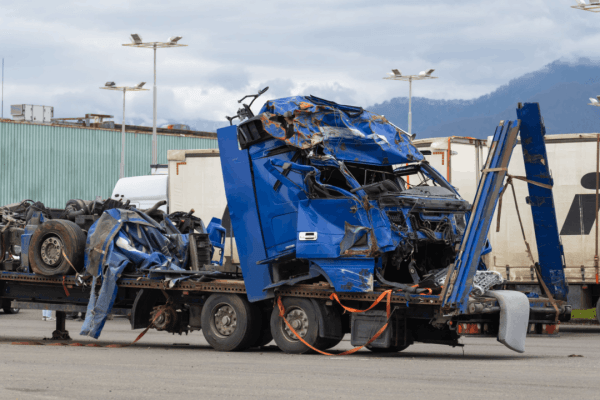

Hardest Injuries to Prove in Truck Accident Cases | Legal Considerations for Hidden Damage
Understanding the Challenge: Proving Invisible Truck Accident Injuries
The hardest injuries to prove in truck accident cases create unique legal challenges for victims seeking compensation. Unlike broken bones or visible wounds, soft tissue injuries, brain trauma, and psychological conditions don’t show up clearly on X-rays or standard medical tests. Truck accident victims with invisible injuries often face skepticism from insurance adjusters who question the severity of damage that can’t be “seen.” Understanding which injuries present proof challenges and how experienced attorneys overcome these obstacles can significantly affect how an injury claim is evaluated. This guide outlines documentation strategies, expert testimony considerations, and commonly used legal approaches to help explain and support the hardest injuries to prove in truck accident cases.
Why Some Truck Accident Injuries Resist Documentation
Soft Tissue Injuries and Whiplash
Soft tissue damage represents the hardest injuries to prove in truck accident cases because ligaments, tendons, and muscles don’t appear on standard X-rays. Whiplash alone affects 83% of rear-end truck collision victims, yet insurance companies routinely undervalue these claims. The massive force generated by an 80,000-pound commercial truck creates severe soft tissue trauma that may not manifest symptoms for 24-72 hours after impact, complicating the causal connection between accident and injury.
Traumatic Brain Injuries Without Visible Trauma
Mild to moderate traumatic brain injuries (mTBIs) are among the hardest injuries to prove in truck accident cases, affecting approximately 1.5 million Americans annually in vehicle collisions. Concussions and diffuse axonal injuries may not show on CT scans, yet cause devastating cognitive impairment, memory loss, and personality changes. Insurance adjusters exploit the absence of visible brain bleeding or skull fractures to deny or minimize valid TBI claims, despite symptoms that may cause long-term functional limitations for some truck accident victims.
Psychological Trauma and PTSD
Post-traumatic stress disorder develops in 25-33% of serious truck accident victims but remains one of the hardest injuries to prove in truck accident cases. PTSD, anxiety disorders, and depression lack objective medical tests, relying instead on psychiatric evaluations and symptom documentation. Commercial truck crashes create particularly severe psychological trauma due to the terrifying size differential and catastrophic damage potential, yet mental health injuries face persistent stigma in legal proceedings.
How Attorneys Document Hard-to-Prove Injuries
Medical Expert Testimony and Specialized Diagnostics
Successful attorneys overcome the hardest injuries to prove in truck accident cases through advanced imaging like MRI and functional neurological assessments that reveal hidden damage. Independent medical examinations by board-certified specialists provide authoritative opinions linking invisible injuries to truck collision forces. Neuropsychological testing objectively measures cognitive deficits from brain injuries, while pain management specialists document chronic conditions through established diagnostic protocols that may be relevant when evaluating injury-related damages.
Comprehensive Documentation Strategies
Proving invisible truck accident injuries requires meticulous symptom journals, consistent medical treatment records, and witness statements corroborating behavior changes. Attorneys compile employment records showing decreased work performance, financial documentation of lost wages, and daily living impact statements from family members. This multi-layered evidence approach transforms subjective complaints into compelling legal proof that the hardest injuries to prove in truck accident cases can demonstrate how these injuries affect daily functioning and may be relevant in determining damages.
Biomechanical Analysis and Accident Reconstruction
Expert accident reconstructionists calculate the specific forces your body absorbed during the truck collision, proving that invisible injuries are biomechanically consistent with impact severity. This scientific evidence directly counters insurance company arguments that soft tissue damage or brain injuries couldn’t result from the accident. Federal Motor Carrier Safety Regulations violations by truck drivers often amplify crash forces, strengthening causation arguments for the hardest injuries to prove in truck accident cases.
Building Irrefutable Injury Claims
Establishing the hardest injuries to prove in truck accident cases demands immediate medical attention creating documented injury timelines, even when symptoms seem minor initially. Delay treatment by just weeks, and insurance companies argue injuries resulted from other causes. Experienced truck accident attorneys coordinate medical specialists, secure expert witnesses, and develop litigation strategies specifically designed for invisible injury cases. Addressing soft tissue damage, traumatic brain injuries, and psychological trauma often involves legal teams familiar with medical complexities and common insurance company challenges related to documentation.
Free Truck Accident Claim Review for Hidden Injuries
The hardest injuries to prove in truck accident cases require specialized legal experience and medical expert networks that most victims can’t access alone. Our truck accident attorneys have handled cases involving invisible injuries that required detailed documentation and expert review. If you’ve been injured, you may wish to request a review to discuss whether your situation may qualify for further legal evaluation.
Personal injury attorneys looking to expand their trucking accident practice can access pre-qualified client cases through our network. Attorneys can register to receive exclusive referrals and connect with trucking accident cases that align with their practice focus and geographic preferences.
Frequently Asked Questions
1. What makes soft tissue injuries the hardest injuries to prove in truck accident cases?
Soft tissue injuries don’t appear on X-rays and rely on patient-reported symptoms, making them easy for insurance companies to dispute despite causing severe, long-term pain and disability.
2. How long do I have to document injuries after a truck accident?
Seek medical attention within 24-72 hours to establish clear causation; delayed treatment allows insurers to argue injuries came from other sources, especially for the hardest injuries to prove in truck accident cases.
3. Can I recover compensation for PTSD from a commercial truck collision?
Yes, psychological injuries qualify for compensation when properly documented through psychiatric evaluations, therapy records, and expert testimony showing the truck accident directly caused your condition.
4. What medical experts help prove traumatic brain injuries?
Neurologists, neuropsychologists, and neuroradiologists provide specialized testing and expert testimony that reveal brain damage invisible on standard CT scans, essential for proving mTBI claims.
5. Do I need an attorney for invisible truck accident injuries?
Absolutely—the hardest injuries to prove in truck accident cases require legal teams with medical expert access, specialized documentation strategies, and experience overcoming insurance company skepticism about non-visible damage.
Key Takeaways
- The hardest injuries to prove in truck accident cases include soft tissue damage, traumatic brain injuries, and psychological trauma requiring specialized medical documentation.
- Advanced diagnostics like MRI, neuropsychological testing, and independent medical examinations provide objective evidence for invisible injuries.
- Biomechanical analysis and accident reconstruction experts establish that injury severity matches truck collision force, proving causation.
- Immediate medical treatment within 24-72 hours creates documented timelines, preventing insurance companies from disputing injury origins.
- Experienced truck accident attorneys coordinate medical specialists and expert witnesses essential for recovering full compensation for hard-to-prove injuries.