
How Anxiety Affects a Truck Accident Settlement | Legal Compensation Guide
Anxiety Settlement Impact: What You Need to Know
If you’ve experienced overwhelming fear, sleepless nights, or panic attacks after a truck accident, you’re not alone, and many people report ongoing emotional challenges after a truck accident. Truck accident victims frequently develop anxiety disorders, from generalized anxiety to severe post-traumatic stress disorder (PTSD), that fundamentally alter their ability to work, drive, or maintain relationships. Understanding how anxiety affects a truck accident settlement helps explain how anxiety may be evaluated as part of a personal injury claim. for both physical and psychological injuries. Insurance companies often minimize mental health claims, but with proper documentation and experienced legal representation from a trucking accident lawyer, anxiety-related damages may be considered as part of a broader injury claim when properly documented.
Common Anxiety Challenges: How Psychological Injuries Develop After Commercial Vehicle Crashes
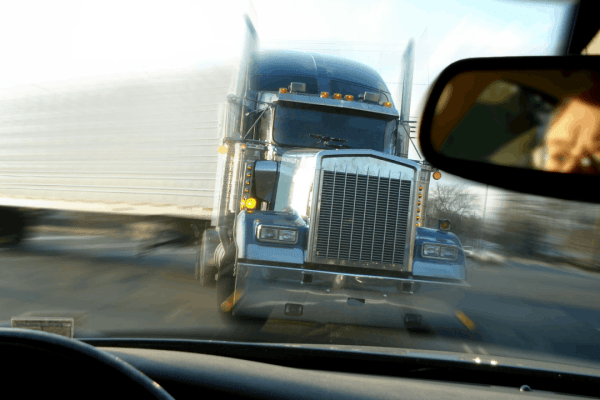
Truck accidents create uniquely traumatic experiences due to the massive size disparity between commercial vehicles and passenger cars. Victims often describe the helpless terror of watching an 80,000-pound tractor-trailer bearing down on them, followed by the violent impact and chaos. This trauma frequently manifests as diagnosable anxiety conditions that persist long after physical injuries heal.
Types of Anxiety After Truck Collisions
Post-accident anxiety commonly appears as generalized anxiety disorder, characterized by persistent worry about future accidents, or acute stress disorder developing within weeks of the crash. Driving-specific phobias emerge when victims experience panic attacks behind the wheel or avoid highways entirely. PTSD represents the most severe form, involving flashbacks, nightmares, hypervigilance, and emotional detachment that can last years without treatment.
Physical Manifestations of Mental Trauma
Anxiety produces tangible symptoms including insomnia, headaches, digestive problems, chest pain, and muscle tension. These physical effects may result in additional medical treatment and time away from work, which insurers may evaluate as part of a claim. Studies show 25-33% of serious truck accident victims develop clinically significant anxiety or PTSD within the first year.
Compensation Advantages: How Anxiety Increases Settlement Value
Anxiety substantially impacts how much compensation truck accident victims receive through multiple damage categories recognized under personal injury law. Insurance companies must account for all injuries—physical and psychological—when calculating fair settlements.
Non-Economic Damages for Mental Suffering
Pain and suffering compensation covers the emotional distress, fear, and reduced quality of life caused by anxiety. Severe anxiety that interferes with daily activities may be evaluated under non-economic damages. Some claims involving PTSD may be valued differently than claims involving only physical injuries, depending on the facts and supporting documentation.
Economic Damages From Anxiety-Related Losses
Anxiety creates measurable financial losses including psychiatric treatment costs, prescription medications, therapy sessions, and lost wages when mental health symptoms prevent work. Vocational experts may testify that anxiety-driven career changes or reduced earning capacity justify additional compensation. If anxiety forces you to avoid truck driving routes during your commute, extending travel time and expenses, these costs may be evaluated as part of an economic damages claim.
Multiplier Effect on Overall Settlement
Documented anxiety doesn’t just add isolated damages—it increases the severity perception of your entire case. A herniated disc with accompanying PTSD demonstrates a more catastrophic injury than the same disc injury alone, which insurers may view as affecting the overall severity of a claim.
Proven Legal Solutions: Maximizing Anxiety-Related Compensation
Presenting anxiety-related claims typically involves detailed documentation and legal review. Insurance adjusters routinely challenge psychological injury claims, demanding proof that anxiety directly resulted from the truck accident and wasn’t pre-existing.
Essential Documentation for Anxiety Claims
Begin treatment with a licensed psychologist or psychiatrist immediately, ensuring your medical records explicitly link anxiety symptoms to the truck accident. Obtain formal diagnoses with DSM-5 codes, maintain consistent treatment attendance, and keep detailed journals documenting how anxiety affects daily activities. Testimony from family members, employers, and friends about personality changes strengthens your claim.
Expert Witness Testimony
Psychological experts provide crucial testimony explaining how traumatic truck accidents cause anxiety disorders, the expected treatment duration, and long-term prognosis. Vocational rehabilitation specialists can quantify how anxiety impacts earning capacity. Economic experts calculate lifetime treatment costs and wage losses.
Negotiation Strategy With Insurers
Present anxiety claims with comprehensive medical evidence, treatment invoices, and expert opinions before insurers can dismiss them as unsubstantiated. Experienced attorneys know trucking companies often carry commercial insurance policies that may be evaluated depending on the circumstances of the claim. Demand letters should detail specific anxiety symptoms, their frequency, and concrete examples of life disruption. If you wish to discuss how anxiety may be evaluated as part of a claim, you may request a free claim review.
Legal Process: Building Your Anxiety Settlement Case
Understanding how anxiety affects a truck accident settlement empowers you to take strategic action. The claims process begins with immediate medical attention for both physical and psychological symptoms, establishing the critical connection between the collision and your mental health decline.
Timeline for Anxiety Symptom Development
Anxiety may appear immediately after the crash or emerge gradually over weeks or months. Early-onset anxiety documented in emergency room records provides strong evidence, while delayed PTSD diagnoses require expert testimony explaining latent trauma responses. Continue treatment throughout your claim—gaps in care allow insurers to argue your anxiety resolved or wasn’t severe.
Settlement Valuation Factors
Insurance companies evaluate anxiety claims based on treatment duration, medication requirements, therapy frequency, ability to return to pre-accident activities, impact on employment, and expert prognosis. Claims involving anxiety may be evaluated differently based on treatment duration, severity, and documented impact. Comparative settlements in your jurisdiction for similar anxiety claims inform realistic expectations.
Settlement Maximization Summary: Your Mental Health Matters Legally
Anxiety after a truck accident may be considered as part of a personal injury claim when properly documented. Psychological symptoms can be evaluated alongside physical injuries. . Legal review may help address disputes over how anxiety-related claims are evaluated.
Get Compensation Help: Free Anxiety Settlement Review
Insurance companies may evaluate psychological injuries differently. How anxiety affects a truck accident settlement depends on presenting compelling medical evidence and aggressive legal advocacy. Our network connects you with experienced attorneys who understand anxiety claim valuation and review how anxiety-related claims are presented under applicable law. Contact us for a free claim review to discuss how your situation may be evaluated.
Frequently Asked Questions
1. Can I get compensation for anxiety even if I wasn't physically injured in a truck accident?
Yes, you can recover damages for anxiety alone, though cases with documented physical injuries typically settle higher. Prove your anxiety diagnosis came from the accident through psychiatric evaluations and witness testimony.
2. How long after a truck accident can anxiety develop and still be compensable?
Anxiety appearing within weeks to several months remains compensable if expert testimony establishes the causal connection. PTSD often emerges 3-6 months post-accident, and delayed onset doesn’t eliminate your claim when properly documented.
3. What's the average settlement increase for anxiety after a truck collision?
Mild anxiety adds $15,000-$50,000, moderate anxiety with ongoing therapy adds $50,000-$150,000, and severe PTSD can increase settlements by $150,000-$500,000+, depending on treatment duration and life impact.
4. Do insurance companies require proof of anxiety treatment to pay these damages?
Yes, insurers demand professional diagnoses from psychiatrists or psychologists, treatment records, and often expert testimony. Self-reported anxiety without medical documentation rarely succeeds in settlement negotiations.
5. Will pre-existing anxiety prevent me from recovering compensation for truck accident-related mental health injuries?
Pre-existing anxiety doesn’t bar recovery—you can still claim damages if the truck accident substantially worsened your condition. Medical experts compare pre-accident and post-accident functioning to demonstrate aggravation of existing mental health issues.
Key Takeaways
- Documented anxiety disorders can increase truck accident settlements by $15,000 to $500,000+ depending on severity and treatment duration.
- Psychological injuries require professional diagnoses, consistent treatment, and expert testimony to maximize compensation against resistant insurance companies.
- PTSD and severe anxiety qualify as catastrophic injuries that multiply overall settlement values beyond isolated physical damage claims.
- Begin mental health treatment immediately after crashes to establish causal connections between truck accidents and anxiety symptoms.
- Experienced legal representation ensures insurers cannot dismiss or minimize legitimate anxiety claims worth substantial compensation.