How Fault is Determined in Truck Accidents | Your Legal Guide
How Fault Is Determined in Truck Accidents: Understanding Liability and Your Legal Rights
Determining fault in truck accidents involves reviewing multiple sources of evidence, including police reports, electronic logging device data, maintenance records, and witness statements. Investigators also evaluate driver conduct, vehicle condition, and compliance with federal safety regulations. According to federal transportation guidelines, these findings may influence how liability is assessed and how a claim proceeds.
Understanding Fault Determination: How Fault Is Determined in Truck Accidents
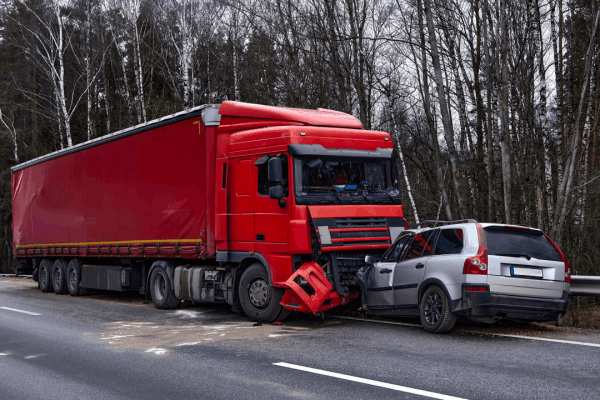
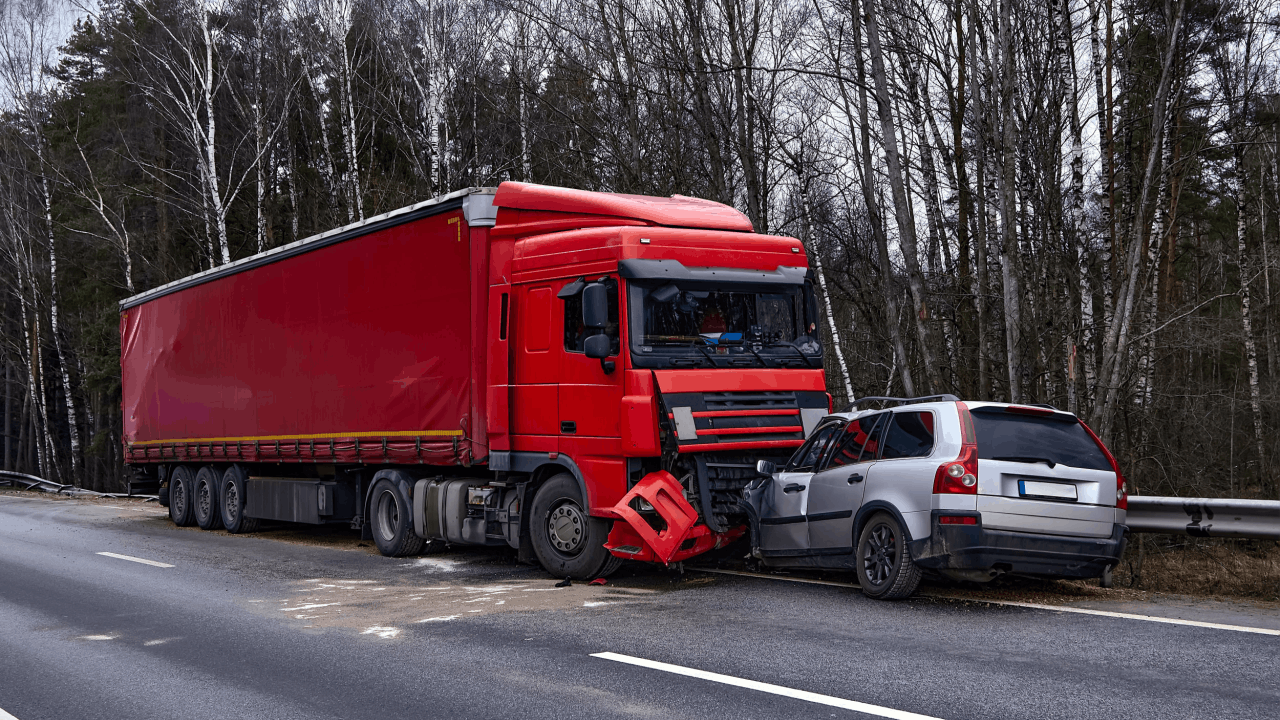
Commercial vehicle collisions differ significantly from standard car accidents. In a trucking crash, more than one party may share responsibility. Investigators must examine the facts carefully to determine who may bear legal fault.
A trucking accident investigation focuses on driver behavior, vehicle maintenance, company oversight, and regulatory compliance. Unlike passenger vehicle crashes, commercial trucking accidents involve federal safety rules enforced by the Federal Motor Carrier Safety Administration (FMCSA). When a company or driver violates these standards, investigators may consider those violations during the liability review. Because these cases often involve several entities, determining fault requires a detailed and structured analysis.
Key Evidence Sources: Critical Factors in Determining Commercial Vehicle Fault
Black Box Data and Electronic Logging Devices
Modern commercial trucks use electronic logging devices (ELDs) to record speed, braking activity, engine data, and driving hours. Federal rules require drivers to track their hours of service to reduce fatigue-related risks. Investigators review this data to evaluate whether the driver followed required limits.
Maintenance Records and Inspection Reports
Trucking companies must keep detailed inspection and maintenance logs. Brake issues, tire failures, and mechanical defects can result from poor upkeep. Federal law requires pre-trip inspections and routine maintenance schedules. When companies fail to follow these requirements, maintenance records may help investigators assess responsibility.
Police Reports and Crash Reconstruction
Law enforcement officers secure crash scenes, interview witnesses, and issue citations when appropriate. Their reports document road conditions, weather, traffic patterns, and initial observations.
Accident reconstruction specialists may later review skid marks, vehicle damage, and impact angles. The National Highway Traffic Safety Administration notes that reconstruction analysis can clarify how a collision occurred and what factors contributed to it.
Multiple Liability Parties: Identifying All Responsible Entities in Your Case
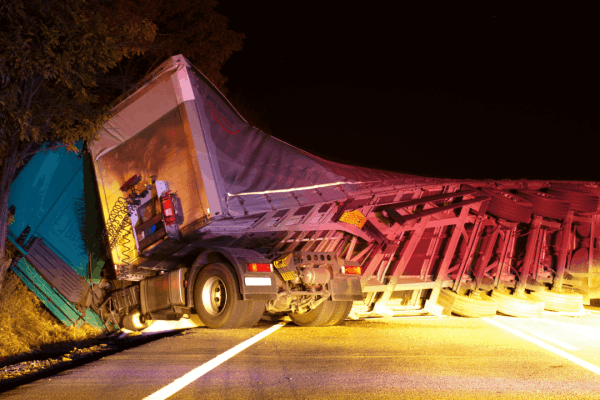
Commercial trucking accidents typically involve several potentially liable parties beyond the driver. The trucking company may bear responsibility through negligent hiring, inadequate training, or pressuring drivers to meet unrealistic delivery deadlines. Cargo loading companies face liability when improper loading causes weight distribution problems leading to rollovers or jackknifes.
Vehicle maintenance contractors can be held accountable when defective repairs contribute to accidents. Truck manufacturers may share fault if equipment defects like brake system failures or steering malfunctions caused the collision. Third-party logistics companies that coordinate shipping and transportation services sometimes bear responsibility for safety violations.
This multi-party liability structure significantly impacts how fault is determined in truck accidents. An attorney may investigate all potential defendants to determine which parties may be legally responsible. Companies often have substantial insurance policies and resources, making a thorough liability analysis essential. According to Federal Motor Carrier Safety Administration data, crashes involving large trucks resulted in 5,788 fatalities in 2021, emphasizing why comprehensive fault determination matters for victim recovery.
Comparative Negligence Rules: How Your Actions Affect Fault Determination
Many states apply comparative negligence principles when determining how fault is determined in truck accidents. Under these rules, courts assign fault percentages to each party involved.If you’re found 20% at fault for the collision, any damages awarded may be reduced by that percentage. Common victim actions that may reduce compensation include following too closely, sudden lane changes, or distracted driving.
Insurance companies may investigate a claimant’s conduct as part of evaluating liability. They scrutinize phone records, social media activity, and witness statements seeking evidence of contributory negligence. Trucking company representatives may present arguments regarding fault as part of the claims process.
Your legal team counters these tactics by documenting the truck driver’s and the company’s violations. Even when a person bears partial responsibility, recovery may still be available depending on applicable comparative negligence rules and the facts of the case. Federal trucking regulations establish safety standards that may be relevant when determining liability. The key is presenting evidence that may demonstrate how the trucker’s conduct contributed to the collision.
Final Legal Insights: How Fault Is Determined in Truck Accidents
Understanding how fault is determined in truck accidents may help you better understand your legal options. Evidence collection must begin immediately, as trucking companies quickly secure crash scene data and electronic records. Multiple parties may share liability, creating complex legal relationships that require experienced investigation. Federal regulations establish safety standards that may be relevant when evaluating commercial vehicle fault.
The outcome of a claim may depend on how fault is evaluated through evidence gathering and legal analysis. Taking prompt legal action may help preserve relevant evidence before records are altered or lost. Commercial trucking accidents often involve complex regulations and investigative issues.
Free Review of Your Truck Accident Claim
If you have questions about a truck accident, you may wish to speak with a licensed attorney. Our legal team reviews available evidence related to how fault is determined in truck accidents. We review available evidence to evaluate which parties may be legally responsible. Contact us today for trucking accident leads consultation, explore truck accidents resources, and learn about liability negligence principles. Visit our trucking accident lawyer page to request a free claim review.
Frequently Asked Questions
1. What evidence is most important in determining truck accident fault?
Investigators commonly review electronic logging device data, maintenance records, police reports, and witness statements when evaluating fault in commercial vehicle accidents.
2. Can multiple parties be held liable for my truck accident?
Liability may extend beyond the driver. Depending on the circumstances, trucking companies, maintenance contractors, cargo loaders, and manufacturers may also share responsibility.
3. How long do I have to file a truck accident claim?
Filing deadlines depend on state statutes of limitations. In many states, the timeframe ranges from one to three years, so reviewing your situation promptly may help preserve your legal options.
4. What federal regulations affect truck accident fault determination?
Federal Motor Carrier Safety Administration (FMCSA) rules governing hours of service, vehicle maintenance, driver qualifications, and cargo securement often play a role in liability analysis.
5. How does comparative negligence affect my truck accident compensation?
Under comparative negligence rules, courts may reduce any damages awarded based on a person’s percentage of fault. In some situations, partial responsibility does not automatically prevent recovery.
Key Takeaways
- Commercial truck fault determination requires analyzing electronic logging devices, maintenance records, federal regulation compliance, and witness evidence.
- Multiple parties, including drivers, trucking companies, maintenance contractors, and manufacturers, may share accident liability.
- Federal Motor Carrier Safety Administration regulations establish safety standards that may be considered when evaluating fault
- Comparative negligence rules may reduce compensation based on the victim’s conduct, making comprehensive evidence gathering essential.
- Prompt legal action may help preserve relevant evidence before records are altered or no longer available.