How Many Semi Truck Crash a Year?
What Federal Data Reveals: How Many Semi Truck Crashes
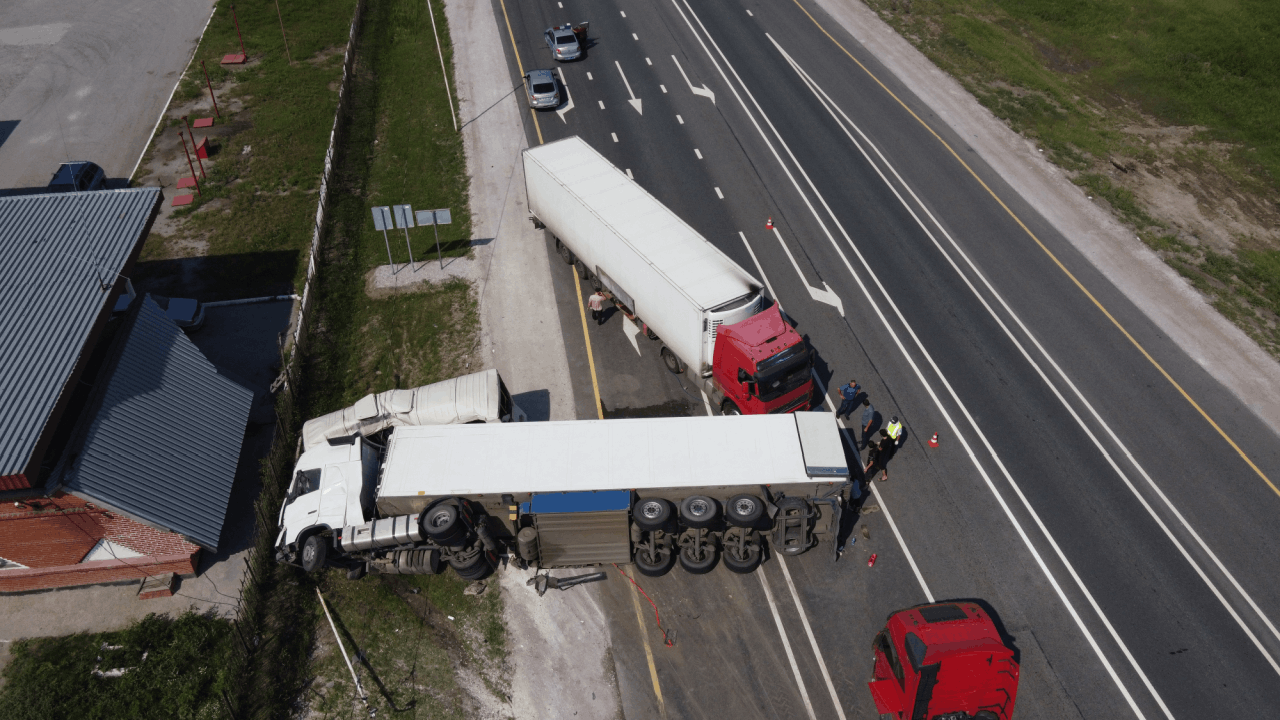
How many semi trucks crash a year in the United States? According to the Federal Motor Carrier Safety Administration (FMCSA), large trucks were involved in more than 156,000 accidents in 2024 alone. These crashes resulted in thousands of fatalities and injuries. For victims and families, the scale of this problem is more than a statistic — it reflects a serious and ongoing public safety concern.
The National Safety Council reports that in 2024, 5,218 large trucks were involved in fatal crashes — a 30% increase compared to 10 years prior. That same year, over 120,000 large trucks were involved in crashes that caused injuries. The total number of people killed in large truck crashes reached 5,340.
Victims of other vehicles bear the greatest burden. About 70% of deaths in large truck crashes involve occupants of passenger cars and other smaller vehicles. Pedestrians and cyclists account for another 13%. Truck occupants make up the remaining 17%.
The FMCSA’s crash data also shows that roughly 23% of all reported truck crashes result in injury or death. That means nearly one in four crashes causes serious harm to someone. These numbers make clear why commercial trucking accidents demand serious legal and regulatory attention.
Why Do So Many Large Truck Accidents Occur?
When examining why semi truck collisions happen at such high rates, several patterns stand out. Federal data and safety research consistently point to a common set of contributing factors.
Driver fatigue is one of the most well-documented causes. Truckers often work under pressure to meet tight delivery deadlines. Federal hours-of-service (HOS) rules from the FMCSA are designed to limit driving time and prevent exhaustion. However, violations still occur and can contribute to serious crashes.
Distracted driving, speeding, and improper lane changes also play a role. According to FinditParts, aggressive driving contributes to approximately 5% of truck accidents. Mechanical failures — including tire defects and brake issues — are another documented factor.
Vehicle size adds to the danger. Semi trucks and 18-wheelers can weigh up to 80,000 pounds when fully loaded. Their stopping distances are significantly longer than those of passenger vehicles. Large blind spots along the sides and rear of trucks also limit driver visibility. These physical limitations mean that a momentary lapse or malfunction can quickly escalate into a multi-vehicle crash.
Who May Be Liable After a Truck Accident?
One of the most complex aspects of truck accident claims is identifying who may bear legal responsibility. Unlike typical car accidents, commercial trucking crashes may involve multiple parties.
The truck driver may be liable if negligent behavior — such as fatigued driving, distracted driving, or speeding — contributed to the crash. The trucking company may share responsibility if it failed to properly train or supervise its drivers, allowed vehicles to operate with known maintenance issues, or encouraged drivers to violate HOS rules.
Third-party vendors can also be involved. A cargo loading company may bear responsibility if improperly secured freight shifted and contributed to a rollover. A maintenance contractor could be liable if faulty repairs led to brake or tire failure.
Determining liability often requires a thorough investigation. Evidence such as driver logs, black box data, inspection records, and eyewitness accounts may all be relevant. Applicable standards from the FMCSA and other federal regulations often form the foundation of these legal determinations. You can learn more about this process on our trucking liability page.
What Damages May Be Considered in a Trucking Accident Claim?
Victims of commercial truck crashes often face serious and long-lasting consequences. The types of damages that may be relevant in a claim can vary based on the facts of each case.
Medical expenses are commonly a central element. These may include emergency care, surgery, hospital stays, physical therapy, and ongoing treatment for chronic conditions. Lost wages and loss of future earning capacity may apply when injuries prevent a victim from returning to work.
Non-economic damages such as pain and suffering, emotional distress, and loss of enjoyment of life may also be considered. In cases involving wrongful death, surviving family members may have separate legal claims for their own losses.
The average cost of a commercial truck accident involving an injury has been estimated at over $148,000. Fatal crashes carry far greater economic impact. These figures reflect the substantial burden placed on victims and why understanding legal options matters. A licensed attorney can explain how applicable laws and regulations may affect the value and direction of your specific claim.
Understanding Your Legal Options After a Semi Truck Crash
How many semi trucks crash a year is a question with a clear and sobering answer — tens of thousands of serious crashes occur on U.S. roads every year. Behind those numbers are real people dealing with injuries, medical bills, lost income, and grief. Understanding how liability is determined, what evidence matters, and what damages may apply can help victims make more informed decisions. Every case depends on its own facts, and state and federal laws can affect how a claim proceeds. Consulting a qualified attorney familiar with trucking accident law can help you understand your rights.
Ready to Learn More About Your Legal Options?
If you or someone you love was injured in a semi truck crash, understanding the legal process is an important first step. A qualified trucking accident attorney can review the specific facts of your situation and explain what options may be available. Speaking with legal counsel does not obligate you to take any action. Visit truck accident resources to explore more information. Attorneys who handle trucking cases may be available through exclusive attorney leads if you are a legal professional seeking case referrals.
Frequently Asked Questions
1. How many semi trucks crash a year in the United States?
According to FMCSA data, large trucks were involved in more than 156,000 accidents in 2024, with over 4,000 resulting in fatalities.
2. Who is most at risk in a semi truck crash?
Occupants of smaller passenger vehicles bear the greatest risk, accounting for approximately 70% of deaths in large truck crashes.
3. What causes most commercial truck accidents?
Driver fatigue, distracted driving, speeding, mechanical failures, and hours-of-service violations are among the most commonly cited contributing factors.
4. How is liability determined in a trucking accident case?
Liability may involve the driver, the trucking company, cargo loaders, or maintenance providers, depending on the facts and applicable federal regulations.
5. How long do I have to file a trucking accident claim?
Filing deadlines vary by state and claim type. A licensed attorney can advise you on the statute of limitations that applies to your specific situation.
Key Takeaways
- Large trucks were involved in more than 156,000 accidents in the U.S. in 2024, according to FMCSA data.
- About 70% of deaths in large truck crashes involve occupants of other vehicles, not the truck driver.
- Multiple parties — including the driver, trucking company, and third-party vendors — may share liability in a truck accident claim.
- Federal regulations from the FMCSA govern driver conduct, vehicle maintenance, and cargo standards relevant to accident claims.
- A licensed attorney familiar with trucking law can explain how state and federal rules may apply to your specific case.