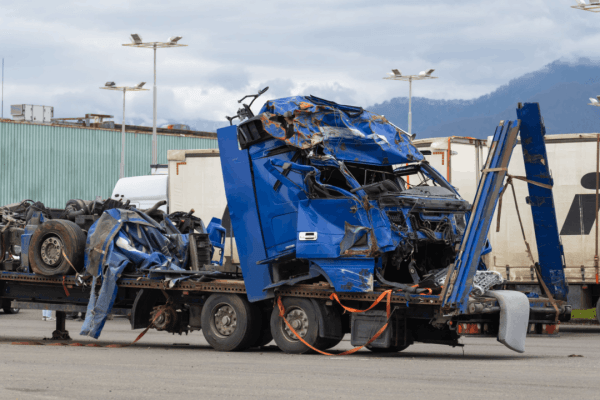

Pain and Suffering in Truck Accident Cases: Legal Overview
Essential Calculation Methods: Pain and Suffering in Truck Accident Cases
Pain and suffering payouts in truck accident cases represent critical non-economic compensation for physical pain, emotional trauma, disability, and diminished quality of life following devastating commercial vehicle collisions. Unlike medical bills with precise dollar amounts, these intangible damages require strategic calculation methods and compelling documentation. This guide reveals how insurance companies and courts determine pain and suffering values, calculation approaches used to evaluate non-economic damages, and evidence strategies that transform subjective suffering into substantial financial recovery for semi-truck collision victims.
Defining Non-Economic Damages
Pain and suffering encompass both physical discomfort from injuries and the psychological consequences of your commercial vehicle collision. Physical pain includes acute injury agony, chronic discomfort during recovery, surgical procedure suffering, rehabilitation pain, and permanent disability limitations affecting daily activities.
Mental anguish covers anxiety, depression, post-traumatic stress disorder, sleep disturbances, fear of driving, and relationship strain caused by your injuries. Loss of enjoyment captures your inability to participate in hobbies, sports, family activities, and life pleasures you previously enjoyed before the trucking collision.
Non-economic damages also include disfigurement compensation for visible scarring, amputation, burns, or permanent physical alterations affecting self-image and social interactions. These subjective damages require detailed personal testimony, medical expert validation, and life impact documentation demonstrating injury consequences beyond financial losses.
Calculation Methods: How Insurers Value Your Suffering
The Multiplier Method
Insurance adjusters multiply your total economic damages (medical expenses plus lost wages) by a severity-based factor used in some evaluations based on injury severity. Minor soft tissue injuries with full recovery typically receive 1.5 to 2 multipliers, while catastrophic injuries causing permanent disability command 4 to 5 multipliers or higher.
A commercial truck accident generating $100,000 in medical costs and lost incomewould be evaluated based on injury severity and supporting evidence using standard multiplier ranges. Severe traumatic brain injuries, spinal cord damage, amputations, and permanent paralysis may influence how non-economic damages are assessed.
The Per Diem Approach
Some attorneys calculate daily pain values by assigning a dollar amount (often your daily wage rate) for each day you experienced suffering from injury through maximum medical improvement.A daily-rate approach may be used in some evaluations to assess ongoing suffering.
Factors Influencing Pain and Suffering Payouts in Truck Accident Cases
Injury severity stands as the primary determinant, with catastrophic injuries consistently receiving substantially higher non-economic awards than temporary conditions. Permanent disabilities preventing employment, requiring lifelong care, or fundamentally altering life circumstances dramatically increase pain and suffering valuations.
Recovery duration affects calculations, as injuries requiring years of treatment justify higher compensation than conditions resolving within months. Medical treatment intensity matters, with extensive surgeries, hospitalizations, and aggressive rehabilitation demonstrating greater suffering than conservative outpatient care.
Age and life expectancy influence awards, as younger victims enduring decades of permanent disability receive higher compensation than older individuals with shorter remaining lifespans. Visible injuries including disfigurement, scarring, and physical deformities generate substantial additional non-economic damages beyond invisible internal injuries.
Credibility and consistency throughout your claim significantly impact valuations, as contradictory statements, social media posts showing activities you claim impossible, or exaggerated symptoms reduce insurer willingness to offer maximum compensation.
Documenting Your Suffering
Maintain a detailed pain journal recording daily discomfort levels, activity limitations, medication needs, emotional struggles, and specific examples of life enjoyment losses. Photograph visible injuries throughout recovery, capturing bruising progression, surgical scars, medical devices, and physical therapy sessions.
Obtain written statements from family members, friends, and coworkers describing your personality changes, activity limitations, and emotional difficulties they’ve observed since your commercial vehicle collision. Secure expert testimony from treating physicians, psychologists, and vocational specialists validating your physical limitations, mental health diagnoses, and permanent disability prognosis.
Document every canceled vacation, missed family event, abandoned hobby, and foregone life experience directly attributable to your injuries. Compile before-and-after evidence demonstrating your active, fulfilling pre-accident lifestyle contrasted with post-collision limitations and suffering.
Overcoming Valuation Obstacles
Insurance companies minimize pain and suffering payouts by disputing injury severity, claiming pre-existing conditions caused your symptoms, or arguing treatment appears excessive for claimed injuries. Adjusters scrutinize social media seeking evidence contradicting disability claims or showing activities inconsistent with alleged limitations.
Defense attorneys challenge subjective pain complaints lacking objective medical validation through imaging studies, diagnostic tests, or physician observations. They emphasize gaps in treatment suggesting injuries resolved or weren’t as severe as claimed.
Comparative negligence allegations reduce pain and suffering awards proportionally to your assigned fault percentage, making liability defense relevant when evaluating non-economic damages.
Strategic Pain and Suffering Documentation
Comprehensive medical records establishing clear causation between the commercial truck collision and every claimed injury form your foundation. Consistent treatment without unexplained gaps demonstrates ongoing suffering and legitimate medical necessity.
Expert medical testimony explaining why your specific injuries cause the pain levels and limitations you experience overcomes insurer skepticism about subjective complaints. Psychological evaluations diagnosing post-traumatic stress, depression, or anxiety with treatment recommendations validate emotional suffering claims.
Life care plans projecting future medical needs, daily assistance requirements, and permanent activity restrictions justify higher multipliers for catastrophic injury cases.
Understanding Pain and Suffering Payouts
Pain and suffering payouts in truck accident cases provide essential compensation for life-altering non-economic damages through evaluation methods that consider injury severity and life impact. Strategic documentation, expert validation, and compelling life impact evidence transform subjective suffering into substantial financial recovery reflecting your true injury consequences.
Request a Free Truck Accident Evaluation
Maximize your pain and suffering compensation through expert legal representation that documents every aspect of your non-economic damages and fights for the highest possible multiplier. Our commercial vehicle accident attorneys provide free case evaluations with strategic guidance on optimizing your pain and suffering claim value. Don’t settle for less than you deserve—our experienced legal team will thoroughly document your injuries, emotional trauma, and diminished quality of life to ensure maximum compensation.
Legal professionals looking to expand their trucking accident practice can attorneys sign up to access verified leads from individuals who have suffered serious injuries in commercial vehicle collisions.
Frequently Asked Questions
1. How much are pain and suffering payouts in truck accident cases worth?
Pain and suffering compensation typically equals 1.5 to 5 times your economic damages, with severe permanent injuries averaging $250,000 to over $1 million depending on disability severity and life impact.
2. What factors increase pain and suffering payouts in commercial truck accidents?
Permanent disability, catastrophic injuries, lengthy recovery periods, extensive medical treatment, visible disfigurement, younger victim age, and clear liability documentation all substantially increase non-economic damage awards.
3. How do I prove pain and suffering after a truck accident?
Maintain detailed pain journals, photograph injuries throughout recovery, obtain family witness statements, secure expert medical testimony, document activity limitations, and compile before-after lifestyle evidence.
4. What is the multiplier method for calculating pain and suffering?
The multiplier method multiplies total economic damages by a severity factor between 1.5 and 5, with minor injuries receiving lower multipliers and catastrophic permanent disabilities commanding maximum factors.
5. Can insurance companies deny pain and suffering claims?
Insurers cannot deny legitimate pain and suffering claims, but frequently minimize valuations by disputing injury severity, claiming pre-existing conditions, or challenging treatment necessity through aggressive claim investigation.
Key Takeaways
- Pain and suffering payouts in truck accident cases range from 1.5 to 5 times economic damages using multiplier calculations based on injury severity and permanent disability impact.
- Catastrophic injuries, including traumatic brain damage, spinal cord injuries, amputations, and permanent paralysis, command maximum non-economic compensation exceeding standard calculation ranges.
- Detailed pain journals, medical expert testimony, family witness statements, and comprehensive before-and-after lifestyle documentation prove subjective suffering and maximize payout valuations.
- Permanent disabilities, lengthy recoveries, visible disfigurement, and younger victim age substantially increase pain and suffering multipliers beyond standard commercial vehicle collision awards.
- Professional legal representation increases average pain and suffering compensation through strategic documentation, expert witness coordination, and aggressive negotiation countering insurer minimization tactics.