
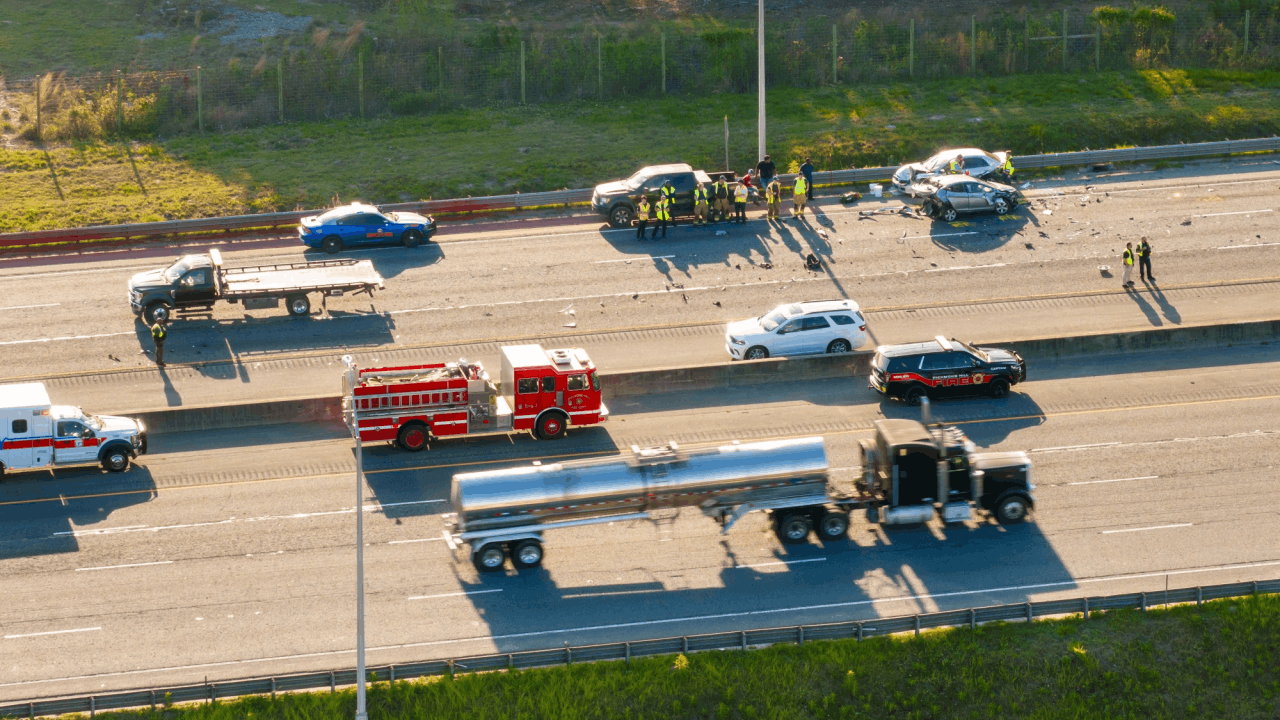
Police Accident Report Details | Key Evidence for Truck Accident Victims
What Victims Must Know: Police Accident Report Details
After a commercial truck collision, the responding officer’s report becomes a cornerstone of your legal case. Police accident report details capture the scene in real time — before evidence disappears or memories fade.
Officers document road conditions, driver behavior, cargo status, and any federal trucking violations observed. According to the Federal Motor Carrier Safety Administration (FMCSA), large truck crashes involve complex regulatory factors that standard accident reports may partially reflect, including Hours of Service (HOS) violations and vehicle inspection failures.
Truck accident attorneys rely on these records to establish liability quickly. A well-documented report can mean the difference between a fair settlement and a denied claim.
Key Legal Concepts: What Officers Actually Document in Truck Crashes
Not all police reports are created equal. In commercial vehicle accidents, officers are trained — or should be — to note details beyond a standard car crash report.
Typical police accident report details include:
- Driver license and CDL status verification
- Trucking company name and DOT/MC numbers
- Vehicle weight, cargo type, and load securement observations
- Weather and road conditions at the time of impact
- Preliminary fault determination or contributing factor codes
According to the National Highway Traffic Safety Administration (NHTSA), officer-assigned contributing factor codes directly influence how insurers evaluate liability. If the officer noted the truck driver ran a red light or showed signs of fatigue, that code strengthens your claim substantially.
An experienced trucking accident lawyer knows how to cross-reference these codes with black box data, logbooks, and maintenance records to build a complete picture of negligence.
Step-by-Step Claims: How to Obtain and Use Your Police Report
Many truck accident victims don’t know how or when to access their crash report. Here’s a straightforward process:
1st Step: Request Your Report Early: Reports are typically available 3–10 business days after the crash. Request it from the responding agency — state police, county sheriff, or local department.
2nd Step: Review for Errors Immediately: Officers are human. Incorrect plate numbers, misspelled names, or missing witness information can complicate your case. Dispute errors as soon as possible.
3rd Step: Identify Fault Indicators: Look for violation codes, fault notations, or narrative sections describing driver behavior. These directly support liability and negligence claims.
4th Step: Share With Your Attorney: A truck accident attorney can interpret technical codes and use the report to request additional evidence — including electronic logging device (ELD) data that officers may not have accessed at the scene.
5th Step: Connect the Report to Damages: Police accident report details alone don’t win cases — but they anchor every other piece of evidence to an official, time-stamped record.
Common Truck Challenges: When Police Reports Are Incomplete or Inaccurate
One underappreciated reality: police reports in truck accidents are sometimes incomplete. Officers responding to serious collisions may lack specialized commercial vehicle training, or the scene may be too chaotic to document every relevant detail.
Studies referenced by the Insurance Institute for Highway Safety (IIHS) indicate that large truck crashes are underreported or misclassified in a meaningful percentage of cases. Missing details — like whether a trucking company failed a recent DOT inspection — may not appear in the initial report at all.
This is where legal representation becomes essential. Attorneys can subpoena carrier safety records, FMCSA inspection histories, and driver qualification files to supplement gaps in the officer’s documentation. Victims who rely solely on the police report without additional investigation may significantly undervalue their claims.
Your Next Step: Police Accident Report Details Support Your Truck Crash Claim
Understanding police accident report details gives truck accident victims a powerful starting point — but it’s only the beginning. Official reports establish the foundation; attorney investigation builds the case. If you’ve been hurt in a commercial truck crash, the time to act is now before evidence is lost and deadlines pass.
Get Your Free Claim Review — Police Accident Report Details Reviewed by Experts
A free claim review connects you with attorneys who specialize in truck accident cases and know exactly how to use police accident report details to maximize your compensation. Don’t navigate this alone — get expert help today. Attorneys who handle exclusive trucking cases understand how to turn official documentation into full financial recovery.
Frequently Asked Questions
1. What are police accident report details in a truck crash case?
They are the official officer-documented records of the collision, including fault codes, driver information, vehicle data, and scene observations used as foundational evidence in legal claims.
2. How do police accident report details affect my truck accident settlement?
Fault indicators and violation codes in the report directly influence how insurance companies assess liability, often impacting initial settlement offers significantly.
3. Can I dispute errors in my truck accident police report?
Yes — contact the reporting agency with corrections supported by photos, witness statements, or medical records as soon as you identify inaccuracies.
4. What if the police report doesn't mention the trucking company's violations?
Your attorney can independently subpoena FMCSA records, driver logs, and inspection histories to uncover regulatory violations not captured at the scene.
5. How soon should I get legal help after reviewing my police accident report details?
Immediately — statutes of limitations vary by state, and critical evidence like black box data can be overwritten within 30 days of a crash.
Key Takeaways
- Police accident report details establish the official record of fault, violations, and scene conditions in truck crash claims.
- Officers document CDL status, DOT numbers, cargo data, and contributing factor codes that directly influence liability determinations.
- Errors or omissions in the police report can be challenged and supplemented with additional investigation by a truck accident attorney.
- Victims should request their crash report within days and review it carefully before engaging with insurance adjusters.
- Legal representation helps connect police accident report details to electronic logs, carrier records, and regulatory violations for maximum compensation.