
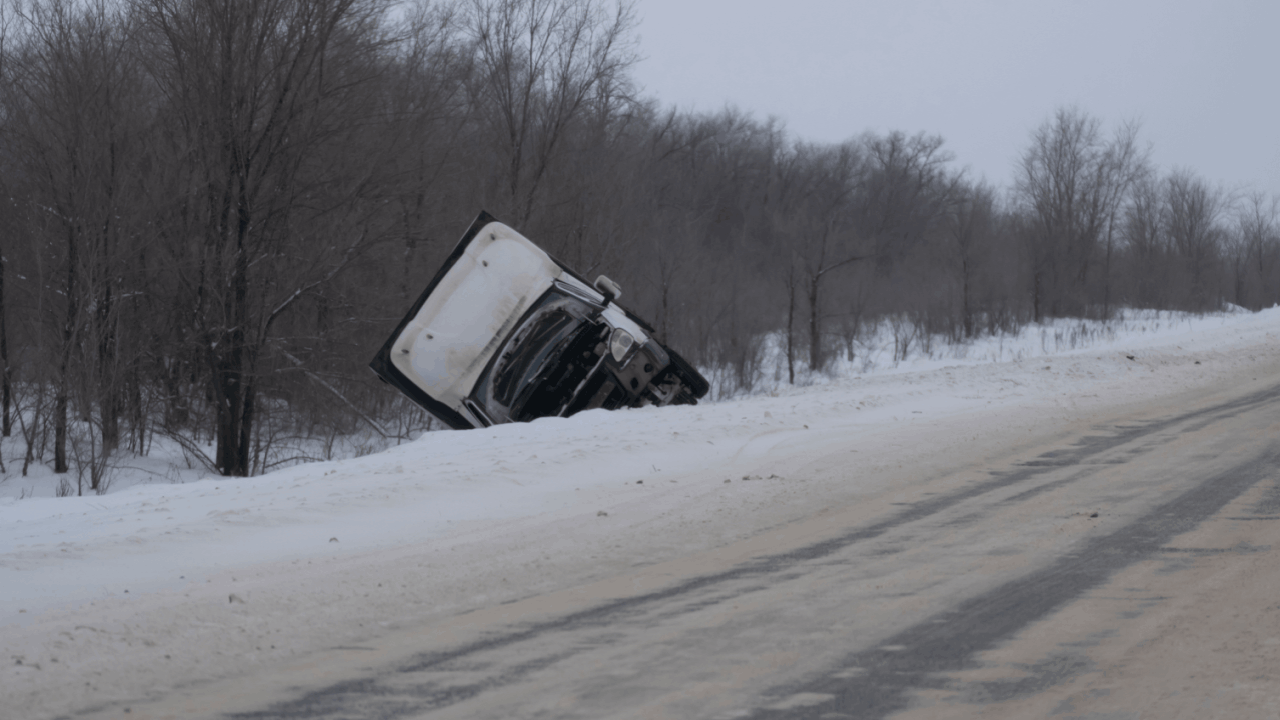
What Happens If a Truck Driver Crashes and What Victims Should Know
After the Scene: What Happens If A Truck Driver Crashes
What happens if a truck driver crashes begins at the scene itself. A serious truck crash triggers a chain of events that moves quickly. Emergency responders arrive first. Then investigators, insurers, and often legal teams follow.
Commercial truck drivers must report serious crashes to their employer promptly. The employer is typically required to notify federal regulators. The Federal Motor Carrier Safety Administration (FMCSA) tracks commercial vehicle accidents. According to the FMCSA crash data, large truck crashes result in tens of thousands of injuries annually in the United States.
At the scene, law enforcement documents the crash. Officers record vehicle positions, road conditions, and witness statements. For commercial trucks, additional details matter. These include the driver’s logbook, cargo records, and vehicle inspection history. That documentation may later become important in a legal claim.
Investigation Phase: Who Looks Into the Crash
Once the immediate emergency passes, a formal investigation begins. Multiple parties may conduct their own separate reviews. Understanding who investigates — and why — matters to anyone affected.
Law enforcement agencies prepare an official crash report. This report is a foundational document in any future claim. It records observations, citations issued, and preliminary findings about fault.
The trucking company’s insurer typically assigns an adjuster right away. That adjuster begins gathering evidence on behalf of the carrier. Their goal is to assess liability and limit financial exposure for their client.
Independent experts may also enter the picture. Accident reconstructionists analyze physical evidence from the scene. They examine skid marks, vehicle damage, and road geometry. Their findings can clarify how the crash happened and who contributed to it.
Black box data from the truck’s Electronic Logging Device (ELD) can also be critical. The FMCSA ELD mandate requires most commercial trucks to track driving hours and speed electronically. That data may reveal whether the driver was fatigued or speeding before the collision.
Legal Outcomes: Who May Be Responsible After a Crash
Determining what happens if a truck driver crashes also means understanding who may bear legal responsibility. Liability in trucking cases can be more complex than in standard car accident claims. Multiple parties may share responsibility depending on the facts.
The driver may be personally liable if negligence contributed to the crash. Speeding, distracted driving, and impairment are common driver-related factors. However, liability often extends beyond the individual driver.
The trucking company may share responsibility under a legal concept called vicarious liability. If the employer directed unsafe practices or failed to properly screen drivers, they may face legal exposure. Federal regulations hold carriers responsible for their drivers’ conduct in many situations.
Cargo loaders may also be liable if improper loading caused instability or contributed to the crash. Truck manufacturers may face liability if a mechanical defect played a role. Understanding this multi-party framework is one reason these cases often require experienced legal guidance.
Victims may be entitled to seek compensation for medical costs, lost income, and other losses. The outcome of any claim can vary based on the facts and applicable state law. A licensed trucking attorney can help clarify how liability may apply in a specific situation.
Common Steps – What Victims Can Take After a Crash
Knowing what to do after a truck crash can make a meaningful difference. Taking early, deliberate steps helps protect both your health and your legal options.
Seek medical attention immediately, even if injuries seem minor. Some injuries from high-impact collisions take time to appear. A medical record created soon after the crash may be important later.
Avoid giving recorded statements to the trucking company’s insurer. Insurance adjusters represent the carrier’s interests, not yours. Anything you say early in the process may be used to limit what you can recover.
Preserve your own records. Keep copies of medical bills, repair estimates, and any correspondence with insurers. These documents form the foundation of any future legal action.
Consulting with an attorney early can help you understand your rights. Legal professionals who handle truck accident claims can assess the evidence and explain your options under applicable law.
Moving Forward: Understanding Your Options After a Truck Crash
What happens if a truck driver crashes does not end at the scene. The legal and financial consequences can continue for months or even years. Victims often face medical recovery, insurance negotiations, and difficult decisions about their legal path forward.
No two cases are identical. The outcome depends on the evidence, applicable regulations, and the parties involved. However, understanding the general process is a helpful first step. It allows victims to ask better questions and make more informed decisions.
If you or someone you know was affected by a trucking collision, gathering information early is important. Time limits called statutes of limitations apply to most personal injury claims. These deadlines vary by state and can affect your ability to pursue legal options.
Legal Support: Exploring Your Next Steps
If you are wondering what happens if a truck driver crashes and what it means for you, speaking with a legal professional may help. An attorney experienced in commercial vehicle accidents can review the facts of your situation. They can explain how federal trucking rules, carrier liability, and your state’s laws may apply.
Legal Brand Marketing connects individuals affected by trucking collisions with attorneys who handle these types of cases. You can explore exclusive trucking leads or learn more about your options through a qualified legal professional. Taking that step does not commit you to anything. It simply gives you access to information you may need.
Frequently Asked Questions
1. What happens immediately after a truck driver crashes?
Emergency responders arrive at the scene, law enforcement prepares an official crash report, and the trucking company is typically notified. Investigations by insurers and independent experts may begin within hours.
2. Can the trucking company be held responsible for the crash?
In many cases, yes. Trucking companies may share liability if they directed unsafe practices, failed to maintain vehicles, or negligently hired or supervised their drivers.
3. What is an ELD and why does it matter after a crash?
An Electronic Logging Device records a driver’s hours and speed. This data can be critical evidence in determining whether fatigue or a regulation violation contributed to a crash.
4. Should I speak to the insurance company after the crash?
You are generally not required to give a recorded statement to the other party’s insurer. Speaking with an attorney first may help you avoid statements that could limit your legal options.
5. How long do I have to file a claim after a trucking accident?
Filing deadlines vary by state. Most personal injury claims must be filed within one to three years of the crash date. Consulting an attorney early helps ensure you do not miss applicable deadlines.
Key Takeaways
- What happens if a truck driver crashes involves an immediate chain of events including emergency response, law enforcement documentation, and insurer investigation.
- Federal regulations require commercial carriers to report serious crashes and maintain electronic driving logs that may serve as evidence.
- Liability in trucking accidents may extend beyond the driver to include the carrier, cargo loaders, and equipment manufacturers.
- Victims should document the scene, seek immediate medical attention, and avoid giving recorded statements to the opposing insurer.
- Filing deadlines for trucking accident claims vary by state, making early legal consultation an important step for anyone affected.