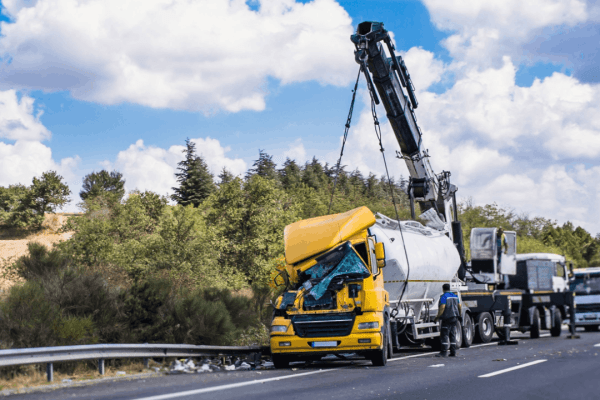

What is a CMV Violation? Trucking Accident Legal Guide
CMV Violations Defined: Understanding Commercial Vehicle Law
What is a CMV violation in practical terms? When a commercial truck driver or carrier fails to comply with Federal Motor Carrier Safety Administration (FMCSA) regulations, they commit a CMV violation that can result in fines, license suspension, and accident liability. These infractions directly impact road safety and your rights as an accident victim.
CMV violations represent serious breaches of commercial trucking standards designed to protect everyone on the road. If you’ve been injured in a truck accident, understanding these violations helps establish negligence and strengthen your compensation claim. The severity ranges from minor infractions to critical safety violations that demonstrate gross negligence by drivers or trucking companies.
According to U.S. Department of Transportation data, CMV violations contribute to over 87,000 injury-causing truck accidents annually. These regulatory breaches provide concrete evidence for accident claims and can significantly increase settlement values when proven.
Common CMV Violations: Types That Cause Accidents
Hours-of-Service Violations
Hours-of-service (HOS) violations rank among the most dangerous CMV infractions. Federal law limits commercial drivers to 11 hours of driving after 10 consecutive hours off duty. When trucking companies pressure drivers to exceed these limits, fatigue-related crashes occur. These violations create strong liability evidence, as logbook tampering and electronic logging device (ELD) manipulation demonstrate willful safety disregard.
Vehicle Maintenance Violations
Commercial vehicle maintenance violations include brake defects, tire failures, lighting problems, and cargo securement issues. The Commercial Vehicle Safety Alliance reports that 20% of trucks inspected have out-of-service violations requiring immediate repair. When maintenance violations cause accidents, both drivers and trucking companies face liability for compensable injuries.
Driver Qualification Violations
CMV violations extend to driver qualifications, including operating without proper commercial driver’s licenses (CDL), medical certification failures, and hiring drivers with disqualifying violations. Trucking companies must verify driver qualifications—failure to do so demonstrates negligent hiring when accidents occur.
How CMV Violations Impact Your Claim
Establishing Negligence Per Se
What is a CMV violation’s legal significance? When drivers or carriers violate FMCSA regulations, they may be liable under “negligence per se”—automatic fault because they broke safety laws. This legal doctrine shifts burden of proof, making your compensation claim stronger and often leading to faster, higher settlements.
Increased Compensation Potential
CMV violations can substantially increase your settlement value. Documented safety violations demonstrate recklessness that may warrant punitive damages beyond standard compensatory damages. Cases involving multiple violations, falsified records, or repeat offenses may result in higher settlements than accidents without regulatory breaches.
Company Liability Exposure
CMV violations frequently expose trucking companies to direct liability through negligent supervision, inadequate training, or systematic safety policy failures. If you’re wondering about a trucking accident lawyer, connecting with legal professionals experienced in FMCSA regulations can help identify potentially liable parties, including drivers and companies.
Evidence Critical to Your Case
Documenting CMV violations requires specific evidence. Police reports often cite regulatory violations at accident scenes. However, comprehensive claims demand deeper investigation: obtaining driver logs, vehicle inspection reports, company safety records, and maintenance histories. Professional legal teams can subpoena electronic logging device data, black box recordings, and company compliance audits that reveal violation patterns.
Expert witnesses analyzing FMCSA compliance strengthen claims significantly. Accident reconstruction specialists and trucking industry experts can testify how specific violations directly caused your injuries, translating complex regulations into compelling evidence for insurers and juries.
Next Steps After CMV Violation Accidents
Understanding what CMV violations mean positions you to pursue maximum compensation. Time-sensitive evidence collection proves critical—trucking companies often destroy or lose records after 30-90 days. Immediate legal action preserves crucial violation evidence before it disappears.
If a CMV violation contributed to your injuries, you may wish to discuss compensation for medical expenses, lost wages, pain and suffering, and future care needs with a licensed attorney. Commercial trucking cases differ fundamentally from standard car accidents, requiring attorneys who understand FMCSA regulations, company liability structures, and tactics insurers use to minimize settlements.
Don’t let regulatory violations go unanswered. Your accident deserves thorough investigation revealing all safety breaches that caused your injuries. Legal professionals can also guide those interested in attorneys sign up opportunities for representing trucking accident victims.
Free CMV Violation Claim Review
Suffered injuries from a CMV violation accident? Every case involving commercial trucking regulations demands immediate expert evaluation to preserve evidence and protect your rights. Our legal network connects you with experienced trucking accident attorneys who understand FMCSA violations and fight for maximum compensation. Get your free claim review today—no obligations, just answers about your legal options and potential settlement value.
Frequently Asked Questions
1. What qualifies as a CMV under federal regulations?
A Commercial Motor Vehicle (CMV) is any vehicle used in commerce with a gross vehicle weight rating over 10,001 pounds, designed to transport 16+ passengers, or transporting hazardous materials requiring placards under FMCSA definitions.
2. Can CMV violations prove negligence in my accident claim?
Yes. CMV violations establish negligence per se—automatic fault because the driver or company broke safety regulations designed to prevent exactly the type of accident you experienced, significantly strengthening your compensation claim.
3. How long do trucking companies keep CMV violation records?
Federal law requires carriers to maintain driver qualification files, vehicle maintenance records, and hours-of-service logs for 1-3 years depending on record type, making immediate legal action critical to preserve evidence.
4. What compensation can I receive for CMV violation accidents?
Victims can recover medical expenses, lost income, pain and suffering, property damage, and future care costs. Cases involving willful violations may also warrant punitive damages, often substantially increasing total compensation.
5. Do I need a specialized attorney for CMV violation cases?
Yes. Trucking accident cases require attorneys experienced in FMCSA regulations, commercial insurance policies, and multi-party liability unique to commercial vehicle crashes—expertise general personal injury lawyers typically lack.
Key Takeaways
- CMV violations are regulatory breaches by commercial drivers or trucking companies that frequently cause preventable accidents and establish legal liability.
- Common violations include hours-of-service violations, vehicle maintenance failures, and driver qualification deficiencies that demonstrate negligence.
- FMCSA violations can establish negligence per se in claims, shifting burden of proof and often resulting in significantly higher settlement values.
- Time-sensitive evidence preservation proves critical, as trucking companies may destroy violation records within 30-90 days of accidents.
- Specialized trucking accident attorneys understand CMV regulations and can identify all liable parties to maximize your compensation recovery.