
What is Considered a DOT Incident: Legal Guide for Victims
Key Legal Concepts: Federal DOT Incident Classification Criteria
The Department of Transportation defines recordable incidents through three primary thresholds that every trucking accident victim should understand. A DOT reportable accident occurs when a commercial motor vehicle is involved in a crash resulting in a fatality, bodily injury requiring immediate medical treatment away from the accident scene, or disabling damage requiring vehicle towing.
According to fmcsa.dot, immediate medical treatment means any treatment received at a medical facility, including emergency rooms, urgent care centers, or doctor’s offices. This excludes minor first aid administered at the crash scene. Approximately 5,000 fatal truck accidents occur annually in the United States, with tens of thousands more resulting in serious injuries meeting DOT incident thresholds.
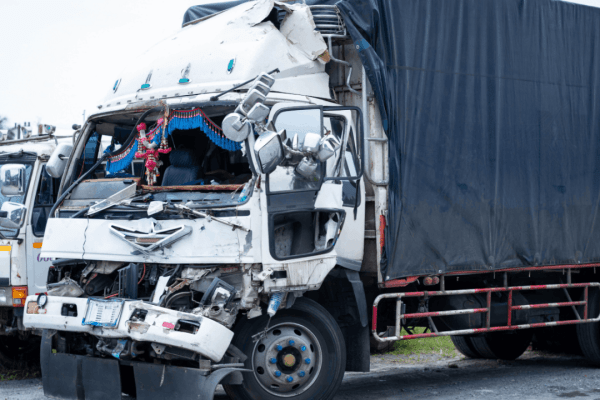
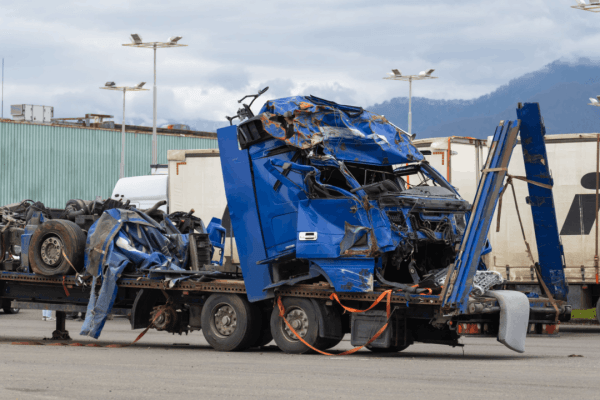
Disabling damage means the vehicle cannot drive safely without repairs or towing from the scene. This classification creates an official accident record that attorneys use to establish negligence patterns and company safety violations. When trucking companies fail to report DOT incidents properly, it can indicate broader compliance failures that strengthen victim compensation claims through demonstrated regulatory negligence.
Types of DOT Reportable Incidents
Commercial vehicle accidents fall into distinct DOT incident categories that affect legal liability and claim outcomes. Fatal incidents represent the most serious classification, requiring immediate reporting to federal authorities and triggering comprehensive investigations by the nhtsa.gov/ National Highway Traffic Safety Administration. These tragedies often involve wrongful death claims where families seek compensation for lost income, funeral expenses, and emotional suffering.
Injury incidents constitute the largest category of DOT reportables. These include crashes causing broken bones, internal injuries, traumatic brain injuries, spinal damage, or any condition requiring ambulance transport or emergency room treatment. Even if you initially refused medical care, later treatment can still qualify the accident as a DOT incident if injuries prove more serious than apparent at the scene.
Property damage incidents meeting the towing threshold also qualify as DOT reportables. This classification matters because it establishes federal oversight of the accident investigation. Trucking companies must maintain these records for three years, and their safety ratings depend on DOT incident frequency. High incident rates indicate systemic safety problems that support punitive damages in victim lawsuits. A skilled lawyer can access these federal records to build stronger liability cases against negligent carriers.
DOT Incident Reporting Requirements and Victim Rights
Federal regulations mandate that motor carriers report DOT incidents to the FMCSA within specific timeframes, creating documentation that protects accident victims. Trucking companies must complete accident registers recording each DOT incident’s date, location, number of injuries, fatalities, and whether hazardous materials were involved. These reports become powerful evidence in personal injury claims.
Carriers must also submit Motor Carrier Management Information System reports for crashes meeting federal thresholds. This reporting creates an official government record that cannot be altered or hidden by insurance companies seeking to minimize liability. Approximately 12% of large trucks involved in fatal crashes had prior DOT recordable incidents, demonstrating how federal tracking identifies dangerous carriers.
Understanding DOT incident classifications helps victims recognize when trucking companies violate reporting requirements. Failure to report qualifying accidents constitutes a federal violation that attorneys leverage to prove company-wide negligence patterns. These violations can increase settlement values significantly because they demonstrate willful disregard for safety regulations. Your attorney can request DOT incident histories through Freedom of Information Act requests, revealing whether the carrier or driver had previous violations that contributed to your crash.
DOT Incident Classifications and Legal Rights
Understanding what is considered a DOT incident empowers trucking accident victims to recognize federal protections and reporting requirements that support compensation claims. These classifications create official documentation that strengthens liability cases against negligent carriers and drivers. Whether your crash involved fatalities, injuries, or disabling vehicle damage, DOT incident thresholds trigger federal oversight that protects your legal rights and establishes crucial evidence for maximum compensation recovery.
Free DOT Incident Claim Review Available Now
Don’t navigate DOT incident classifications alone after a serious trucking accident. Federal reporting requirements create time-sensitive evidence that experienced attorneys use to maximize your compensation. Contact our network today for a free claim review to learn how DOT incident documentation strengthens your case against negligent trucking companies.
Frequently Asked Questions
1. What makes a truck accident a DOT reportable incident?
A truck accident becomes DOT reportable when it involves a fatality, injury requiring immediate medical treatment away from the scene, or disabling damage requiring vehicle towing from the accident location.
2. How long do trucking companies have to report DOT incidents?
Motor carriers must document DOT incidents in their accident registers immediately and submit required federal reports within 30 days of discovering the accident meets reportable thresholds.
3. Can I access DOT incident records for the truck that hit me?
Yes, DOT incident histories are public records accessible through FMCSA databases or Freedom of Information Act requests that your attorney can obtain to support your compensation claim.
4. Does every trucking accident qualify as a DOT incident?
No, minor accidents not requiring medical treatment or towing don’t meet DOT incident thresholds, though they may still support personal injury claims under state traffic laws.
5. Why do DOT incident classifications matter for my claim?
DOT incident classifications create federal documentation proving accident severity, establish trucking company safety patterns, and provide evidence that increases settlement values in injury claims.
Key Trucking Accident Takeaways
- DOT incidents include commercial vehicle crashes involving fatalities, injuries requiring immediate medical treatment, or disabling damage requiring towing.
- Federal reporting requirements create official documentation that attorneys use to prove negligence and maximize victim compensation in trucking accident claims.
- Approximately 5,000 fatal truck accidents occur annually, with thousands more meeting DOT reportable incident thresholds for injury and property damage.
- Trucking companies must maintain DOT incident records for three years, revealing safety patterns that support punitive damages in victim lawsuits.
- Experienced trucking accident attorneys access federal DOT databases to uncover carrier violation histories that strengthen liability cases and increase settlement values.