
What is the Most Common DOT Violation and Your Legal Rights
Violation Categories Explained: What is the Most Common DOT Violation
Hours of Service violations dominate trucking safety infractions for one critical reason: the intense pressure drivers face to meet delivery deadlines. When you’ve been injured in a truck accident, understanding these violations becomes essential to your compensation claim. The Federal Motor Carrier Safety Administration enforces strict regulations requiring commercial drivers to limit driving hours and take mandatory rest breaks, yet these rules are frequently violated.
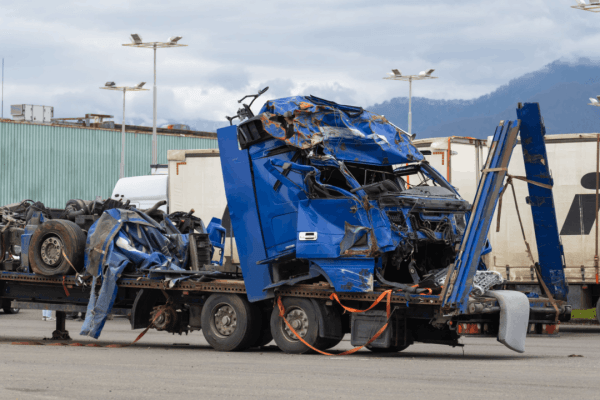
Federal law requires truck drivers to rest after 11 hours of driving and prohibits exceeding 14 consecutive hours on duty. When trucking companies prioritize profits over safety, they push drivers beyond these limits. The resulting driver fatigue impairs reaction time as severely as drunk driving, making these violations a leading cause of catastrophic truck accidents.
Key DOT Violations: Understanding Regulatory Breaches
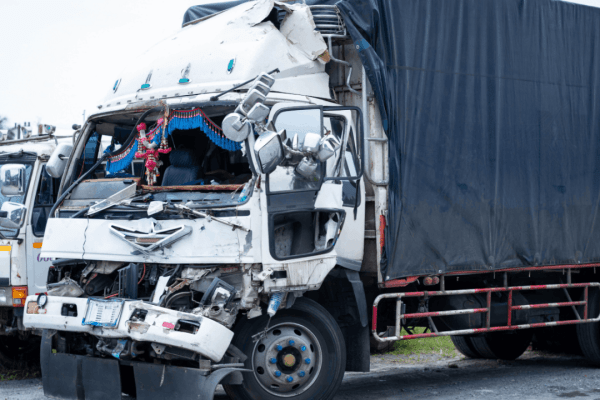
Beyond hours of service, the U.S. Department of Transportation tracks several critical violation categories that create accident liability. Vehicle maintenance violations rank second, occurring when trucking companies defer brake repairs, ignore tire wear, or skip required inspections. These mechanical failures cause approximately 10% of truck accidents annually, creating clear evidence of negligence in injury claims.
Driver qualification violations occur when companies hire drivers without proper commercial licenses, allow drivers with disqualified medical conditions, or fail to conduct required background checks. Drug and alcohol testing violations represent another serious category, with some companies deliberately avoiding or falsifying test results. Each violation type creates distinct legal advantages for accident victims seeking compensation.
Legal Impact Explained: How Violations Affect Your Claim
DOT violations transform truck accident cases from simple negligence claims into strong liability cases with substantial compensation potential. When investigators discover HOS violations, maintenance failures, or driver qualification issues, your trucking accident lawyer can establish clear regulatory breach evidence that significantly strengthens settlement negotiations.
Federal regulations create specific safety standards that trucking companies must follow. Violation of these standards typically constitutes negligence per se, meaning the violation itself proves negligence without requiring additional evidence. This legal doctrine dramatically improves your case value and likelihood of favorable settlement.
Documentation becomes crucial in violation-based claims. Your attorney will obtain driver logbooks, electronic logging device records, vehicle maintenance histories, and company safety ratings from the Federal Motor Carrier Safety Administration database. This evidence often reveals patterns of systematic violations that demonstrate company-wide negligence rather than isolated driver error, opening pathways to significantly higher compensation through corporate liability claims.
Compensation Considerations in DOT Violation Cases
Victims injured in accidents involving DOT violations may pursue different categories of damages than those involved in standard truck accident cases. Cases involving documented federal violations can involve more complex legal considerations, particularly when serious injuries occur.
The violation evidence provides multiple compensation advantages that experienced attorneys leverage aggressively.
First, violations establish clear fault, eliminating the trucking company’s ability to dispute liability or blame other factors. Second, systematic violations often indicate broader corporate negligence, allowing claims against the trucking company itself rather than just the driver. Third, willful violations may justify punitive damages designed to punish deliberate safety failures. These combined factors create powerful negotiating leverage.
Getting Legal Help: Your Violation Claim Starts Here
If you’ve been injured in a truck accident, determining whether DOT violations contributed to your crash should be your attorney’s immediate priority. Violation discovery requires specialized knowledge of federal trucking regulations, access to government databases, and experience navigating complex commercial vehicle litigation. The difference between a standard attorney and a trucking accident specialist can affect how a case is evaluated and presented.
DOT violation cases demand immediate action. Evidence degrades quickly, witnesses’ memories fade, and trucking companies work aggressively to minimize their exposure. Every day you wait reduces your ability to build the strongest possible case. Most trucking accident attorneys offer free consultations and work on contingency fees, meaning you pay nothing unless they recover compensation for you.
Free Violation Claim Review Available
Your truck accident claim deserves specialized legal expertise that understands federal trucking regulations and how violations maximize compensation. Getting a free claim review costs nothing but provides immediate clarity about your case value and legal options. Experienced trucking accident attorneys may investigate potential DOT violations, work to preserve critical evidence, and represent your legal interests throughout the claims process.
For Attorneys: Are you a personal injury attorney seeking qualified trucking accident cases? Join our attorney network to receive pre-screened client referrals and grow your trucking accident practice.
Frequently Asked Questions
1. What happens if a truck driver is caught with DOT violations?
Drivers face fines, out-of-service orders, and potential criminal charges depending on violation severity. More importantly for accident victims, these violations create strong evidence of negligence that significantly increases compensation claim values and settlement amounts.
2. How do I find out if the truck driver who hit me had DOT violations?
Your trucking accident attorney can access the Federal Motor Carrier Safety Administration’s Safety Measurement System database, request driver logbooks through legal discovery, and obtain electronic logging device records that reveal violation history and patterns of unsafe operation.
3. Can I still file a claim if the DOT violation wasn't discovered immediately?
Absolutely. Many DOT violations only surface during detailed investigation after accidents occur. Your attorney can subpoena records, interview company employees, and hire trucking experts to uncover violations that weren’t apparent at the accident scene, often months after your crash.
4. What compensation can I receive if DOT violations caused my accident?
Violation-based claims typically recover medical expenses, lost wages, pain and suffering, future medical costs, disability compensation, and potentially punitive damages. Cases with clear federal violations frequently settle for $500,000 to several million dollars depending on injury severity.
5. Are trucking companies or drivers held responsible for DOT violations?
Both can be held liable. Drivers face individual responsibility, but trucking companies are liable when they encourage violations, fail to monitor compliance, or create policies that make violations necessary. Corporate liability often provides access to much larger insurance policies and settlement funds.
Key Takeaways
- Hours of Service violations account for 28% of all DOT citations and create strong legal liability when accidents occur.
- DOT violations establish negligence per se, dramatically improving your compensation claim value and settlement potential.
- Evidence must be secured immediately through preservation letters and expedited discovery before trucking companies destroy critical records.
- Violation-based truck accident claims frequently exceed $1 million in settlements when serious injuries are documented.
- Specialized trucking accident attorneys understand federal regulations and know how to leverage DOT violations for maximum compensation.