Who Decides Liability in a Truck Accident and How Is Fault Determined?
Understanding Liability: Who Decides Liability in a Truck Accident
Who decides liability in a truck accident starts the moment emergency responders arrive at the crash scene. Multiple decision-makers evaluate evidence to determine which party or parties may be legally responsible for the collision and related damages.
Law enforcement officers make the first liability assessment by documenting crash scene evidence, interviewing witnesses, and issuing citations. Their police reports heavily influence subsequent liability decisions. However, officers focus on traffic violations rather than complex legal fault questions.
Insurance companies then conduct their own investigations. Adjusters for trucking companies and their insurers review police reports, driver logs, vehicle maintenance records, and electronic logging device data. These companies protect their financial interests and may dispute liability depending on their evaluation of the claim.
When insurance companies disagree on liability or settlement terms, attorneys and courts may become involved in resolving the dispute. Truck accident lawyers may gather evidence, consult accident reconstruction experts, and present arguments regarding negligence. If settlements fail, judges or juries hear evidence and make binding liability determinations.
Key Parties Involved: Who Determines Truck Accident Fault
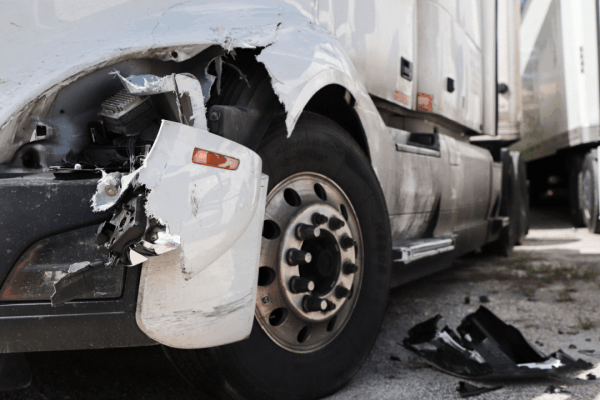
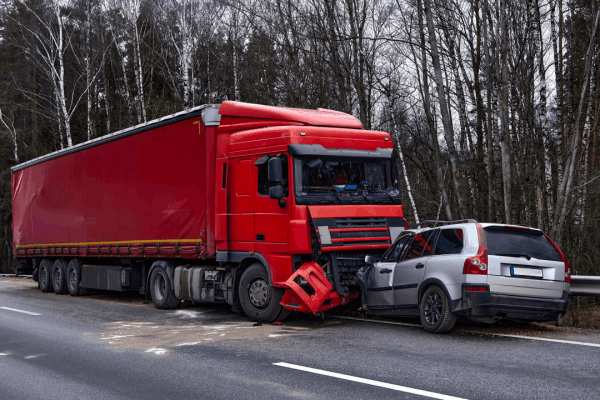
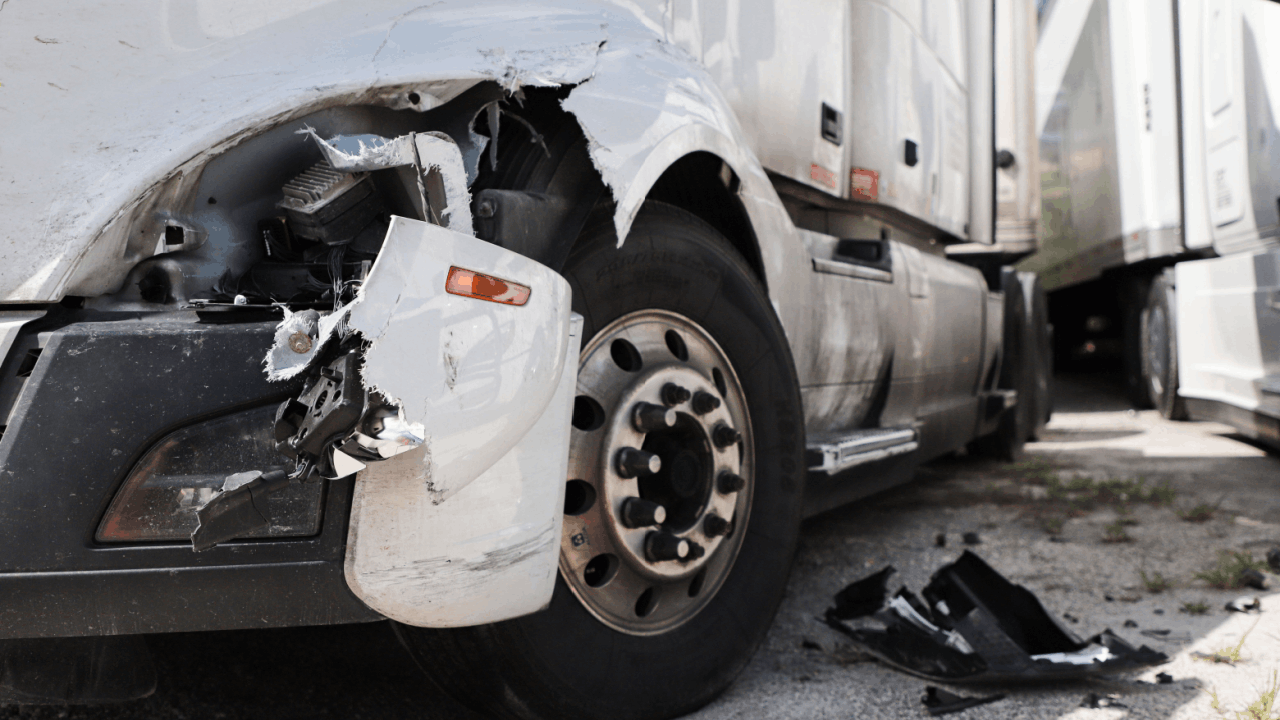
Police officers and highway patrol investigators document immediate crash scene evidence. They measure skid marks, photograph vehicle damage, test for driver impairment, and record weather conditions. Their reports establish the factual foundation for liability decisions.
Federal Motor Carrier Safety Administration investigators examine crashes involving fatalities or significant injuries. They review driver qualification files, hours-of-service compliance, vehicle inspection records, and cargo securement.
Insurance adjusters analyze claims from competing perspectives. The truck driver’s insurance company may dispute liability or the scope of damages, while injured parties may present evidence supporting their claims. These negotiations determine most settlements without court involvement.
Expert witnesses provide technical opinions when cases proceed to litigation. Accident reconstructionists analyze crash dynamics, mechanical engineers evaluate vehicle defects, and medical professionals assess injury causation. Their testimony helps juries understand complex liability questions.
Legal Process Explained: How Liability Gets Established
Initial investigations begin within hours of crashes. Officers secure scenes, separate witnesses, and collect perishable evidence before memories fade or physical evidence disappears. They examine commercial driver’s licenses, medical certificates, and electronic logging devices for compliance violations. Insurance investigations expand upon police findings. Adjusters request driver personnel files, maintenance records, dispatch communications, and company safety policies. They interview drivers, passengers, and witnesses separately to identify inconsistencies.
Legal discovery allows attorneys to compel evidence production that companies might otherwise withhold. Lawyers may subpoena driver training records, previous safety violations, and internal communications that may be relevant to liability. According to American Bar Association litigation studies, thorough discovery often reveals liability evidence that initial investigations missed.
Negotiations based on assembled evidence resolve most commercial vehicle claims. Attorneys present liability evidence to demonstrate which parties caused crashes and quantify damages. Strong evidence may influence settlement discussions and case outcomes without proceeding to trial.
Your Legal Options: Who Decides Liability in a Truck Accident Summary
Understanding who decides liability in a truck accident may help individuals better understand their legal options. While police, insurers, and investigators contribute to fault determinations, Attorneys may assist with evidence gathering and liability analysis. If you have questions about how liability is determined, you may wish to speak with a licensed attorney. Legal representation may help individuals navigate the investigative and claims process.
Request a Free Truck Accident Claim Review
If you’ve been injured in a commercial vehicle collision, you may wish to consult with a trucking accident attorney who handles truck accident cases involving multiple potentially responsible parties. Experienced lawyers can review evidence, explain your rights regarding liability and negligence, and discuss your legal options. Learn more about how trucking accident lawyers can assist with your claim.
Frequently Asked Questions
1. Who has final authority in deciding truck accident liability?
Courts and juries have final authority when cases go to trial, though most liability determinations result from negotiated settlements between attorneys and insurance companies based on investigative evidence.
2. Can trucking companies be held liable even if their driver wasn't at fault?
Trucking companies may face liability for inadequate driver training, failure to maintain vehicles properly, hours-of-service violations, or negligent hiring practices, depending on the circumstances.
3. How long does determining liability in a truck accident typically take?
Simple cases may resolve within months, while complex crashes involving multiple parties, severe injuries, or disputed evidence can take one to two years, according to insurance industry claim processing data.
4. Do insurance companies always accept police determinations of fault?
No, insurance companies conduct independent investigations and frequently dispute police findings and may request additional evidence before resolving a claim, which may require additional evidence or legal review before the claim is resolved.
5. What evidence matters most in truck accident liability decisions?
Electronic logging device data, driver qualification files, vehicle maintenance records, witness statements, and accident reconstruction analysis typically provide the strongest liability evidence in commercial vehicle crashes.
Key Takeaways
- Multiple parties, including police, insurance adjusters, federal investigators, and court,s participate in determining who decides liability in a truck accident.
- Law enforcement provides initial fault assessments, but insurance companies and attorneys conduct more comprehensive liability investigations.
- Commercial vehicle crashes involve complex federal regulations that create liability beyond simple driver negligence.
- Legal representation may assist with evidence gathering and addressing liability disputes raised by trucking companies.
- Most truck accident liability determinations result from negotiated settlements rather than trial verdicts.