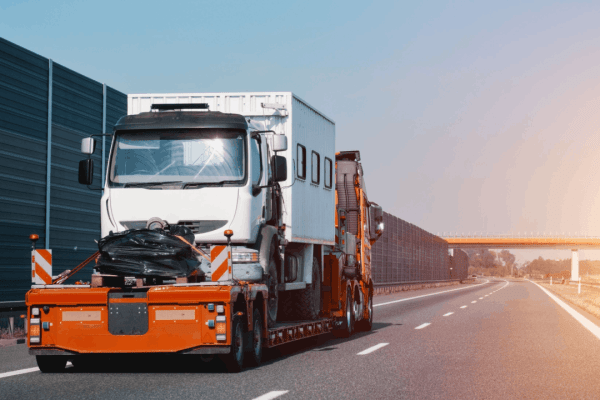
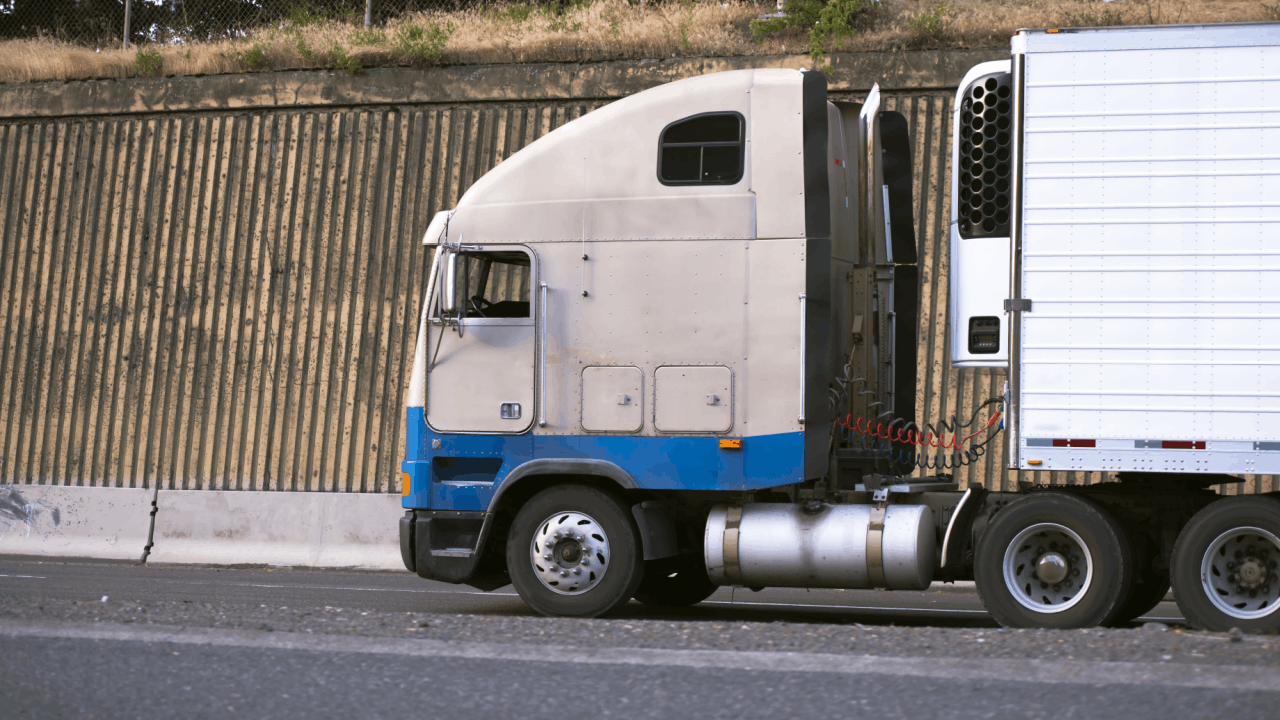
Why Do Semi Trucks Get Pulled Over So Much?
The Real Reason: Why Do Semi Trucks Get Pulled Over So Much
If you have ever watched a big rig get pulled over on the highway, you are not alone. Semi trucks draw far more law enforcement attention than passenger cars. That is not by accident — it is by design.
Officers and inspectors stop commercial trucks to protect everyone on the road. The FMCSA oversees a national enforcement program that tracks violations through its Motor Carrier Management Information System (MCMIS). Hundreds of thousands of roadside inspections happen every year across the country.
So why do semi trucks get pulled over so much? The answer comes down to four main categories: driver qualifications, vehicle condition, cargo safety, and hours-of-service rules.
Hours-of-Service Violations Are a Leading Cause
One of the biggest reasons officers target commercial trucks is driver fatigue. The FMCSA enforces Hours-of-Service (HOS) regulations under 49 CFR Part 395, which limit how many consecutive hours a trucker can drive.
Property-carrying drivers may not drive beyond 11 hours after 10 consecutive hours off duty. They also cannot drive past the 14th hour after coming on duty.
Officers verify HOS compliance by reviewing Electronic Logging Devices (ELDs). These devices automatically record drive time, engine hours, and vehicle movement. A trucker who has falsified or ignored these records faces immediate out-of-service orders.
Fatigue is a serious public safety issue. According to the FMCSA’s Large Truck Crash Facts, drowsy driving remains one of the most preventable causes of commercial vehicle crashes. That is why roadside inspectors specifically target HOS logs during traffic stops.
Vehicle Condition and Equipment Defects
Officers also pull over semi trucks when they spot visible safety problems. Faulty equipment is a common trigger for a roadside stop. Key issues that draw attention include:
- Worn or damaged tires
- Non-functioning brake lights or turn signals
- Cracked windshields or broken mirrors
- Brake system defects
- Leaking fluids or air pressure issues
The FMCSA requires trucking companies to conduct regular pre-trip and post-trip vehicle inspections under 49 CFR Part 396. If a truck has not been properly maintained, it can be placed out of service on the spot.
Brake failures alone contribute to a significant portion of commercial truck crashes each year. According to the National Highway Traffic Safety Administration (NHTSA), brake-related issues are among the most cited mechanical defects in large truck crashes. Officers are trained to spot visible brake and tire problems from the roadside.
Overweight Loads and Cargo Violations
Weight and cargo safety are also major enforcement priorities. Commercial trucks must stay within legal weight limits — typically 80,000 pounds gross vehicle weight — without a special oversize or overweight permit.
Officers use weigh stations and portable scales to check compliance with federal weight limits under 23 CFR Part 658. Trucks that exceed these limits cause road damage and create dangerous instability at highway speeds.
Beyond weight, cargo securement matters just as much. The FMCSA’s cargo securement rules under 49 CFR Part 393 require loads to be properly tied down, blocked, or braced. Unsecured cargo can shift during a turn, causing rollovers that endanger other drivers.
Officers can also pull over trucks for missing permits, improper placarding of hazardous materials, or loads that exceed legal height and width without authorization.
Driver Qualification and CDL Checks
Law enforcement also stops commercial trucks to verify driver qualifications. A valid Commercial Driver’s License (CDL) is not enough. Officers check for the correct endorsements, valid medical certificates, and any active suspensions.
The FMCSA sets minimum CDL standards under 49 CFR Part 383. Drivers transporting hazardous materials, tank vehicles, or double/triple trailers must carry additional endorsements. Operating without the right endorsement is a violation that can result in an immediate out-of-service order.
Officers also check for active drug and alcohol program compliance. The FMCSA has a zero-tolerance policy for drunk or drugged driving. Drivers are subject to random screenings and must follow strict return-to-duty protocols after any violation.
Safety Rules Drive Every Stop
Semi trucks get pulled over so much because the stakes are simply higher. Federal and state laws hold commercial truck drivers to a strict standard. Every stop is a safety checkpoint designed to protect everyone sharing the road.
If you were injured in a crash involving a commercial truck, understanding these regulations can help you recognize when a driver or company may have been negligent. Learn more about truck accident claims and how violations connect to legal liability. You can also explore liability and negligence in commercial trucking cases to better understand your rights.
Find Legal Help After a Truck Accident
Were you or someone you love hurt in a semi truck crash? You deserve clear answers and strong representation. Speaking with an experienced attorney can make a real difference in your case.
Connect with a qualified attorney through trucking accident lawyers to review your situation. If you work in legal services, you can also access exclusive trucking leads to connect with people who need help right now.
Frequently Asked Questions
1. Why do semi trucks get pulled over so much more than regular cars?
Semi trucks are subject to federal safety regulations that do not apply to passenger vehicles, including hours-of-service rules, cargo limits, and equipment standards — all of which require active enforcement.
2. What is the most common reason a semi truck gets pulled over?
Hours-of-service violations and equipment defects — such as brake or lighting issues — are among the most frequently cited reasons for commercial truck stops.
3. Can a semi truck be pulled over just for a safety inspection?
Yes. Officers and FMCSA inspectors can conduct routine roadside inspections at weigh stations or during patrols without needing a specific traffic violation as a trigger.
4. What happens if a semi truck fails a roadside inspection?
A truck or driver placed out-of-service cannot legally continue until the violation is corrected. Serious violations may result in fines or CDL suspension.
5. Do truck drivers have to stop at every weigh station?
In most states, yes — commercial trucks must stop at open weigh stations unless they have a valid PrePass transponder and a clean safety record that qualifies them for bypass.
Key Takeaways
- Semi trucks face frequent traffic stops because federal law requires active enforcement of safety, equipment, and driver standards.
- Hours-of-service violations are a top enforcement priority, as driver fatigue is a leading cause of large truck crashes.
- Equipment defects like faulty brakes, worn tires, and broken lights can trigger an immediate out-of-service order.
- Overweight or improperly secured loads violate federal cargo rules and endanger nearby motorists.
- A truck accident caused by regulatory violations may give injured parties the right to pursue a legal claim against the driver or carrier.