
Semi Truck Accident Statistics and What They Mean for Injury Victims
Numbers Reveal Risk: What the Data Shows About Truck Accident Statistics
Semi truck accident statistics consistently show that collisions involving large commercial vehicles produce disproportionately severe outcomes. Fatal and serious injury crashes involving large trucks occur at alarming rates across the United States each year. For victims and their families, these numbers represent real lives disrupted by devastating events.
The Federal Motor Carrier Safety Administration and the National Highway Traffic Safety Administration both track large truck crash data annually. Their reports document fatalities, injuries, crash causes, and contributing factors across millions of miles of roadway. This data shapes federal safety policy and informs legal standards in trucking accident cases.
Understanding what these statistics reveal can help victims and their families make sense of what happened. It can also help them recognize that serious trucking crashes are not random or unforeseeable events. Many involve documented risk factors that carriers and drivers are legally required to manage.
This article breaks down key semi truck accident statistics, explains what they mean in practical terms, and discusses how they connect to legal accountability.
How Many Large Truck Crashes Occur Each Year
Semi truck accident statistics from federal sources document tens of thousands of large truck crashes annually across the United States. These crashes result in thousands of fatalities and many more serious injuries each year. The scale of this problem has remained a consistent public safety concern for decades.
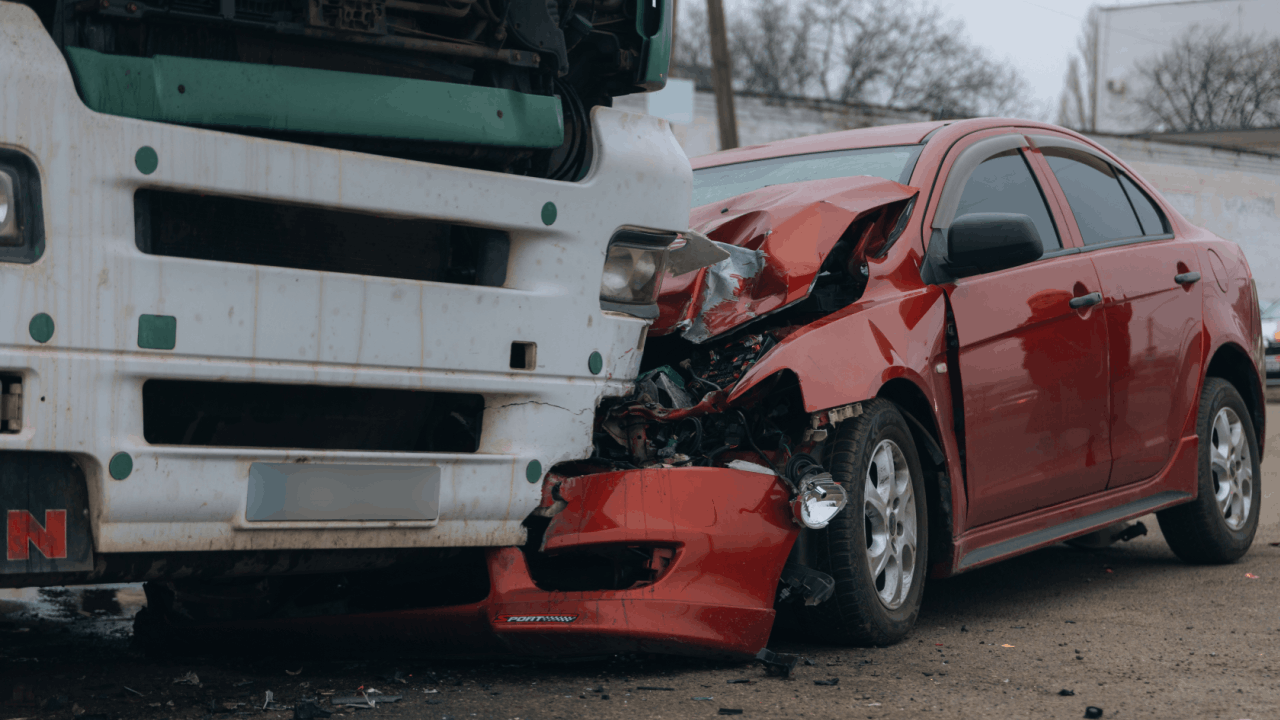
Large trucks account for a significant share of fatal highway crashes despite representing a smaller portion of total registered vehicles. This overrepresentation in fatal crash data reflects the physical reality of what happens when a fully loaded commercial vehicle collides with a passenger car. The disparity in size and weight produces outcomes that smaller vehicles simply cannot absorb safely.
Crash rates have fluctuated over the years in response to regulatory changes, enforcement actions, and industry growth. As freight volume increases, more commercial trucks operate on public roads. Higher truck traffic volume correlates with greater overall crash exposure for other drivers.
Where Large Truck Crashes Happen Most Often
Federal crash data shows that a significant portion of fatal large truck crashes occur on rural roads and highways. High-speed rural routes give trucks less margin for error when mechanical failures or driver errors occur. Urban crashes, while often at lower speeds, involve greater traffic density and more complex driving environments.
Time of Day and Crash Frequency
Crash data reveals elevated risk during certain hours. Late night and early morning hours coincide with driver fatigue patterns and reduced visibility conditions. These are also the hours when compliance with Hours of Service regulations becomes most critical. Violations during high-risk hours may be particularly relevant to legal liability analysis.
What Semi Truck Accident Statistics Reveal About Fatal Crashes
Fatal crash statistics involving large trucks reveal a consistent and troubling pattern. The overwhelming majority of fatalities in large truck crashes are occupants of the other vehicles involved — not the truck drivers themselves. This reflects the physical force imbalance that defines these collisions.
Passenger vehicle occupants face the greatest risk of fatal injury when a large truck is involved in a crash. Pedestrians and cyclists struck by commercial trucks also face extremely high fatality risk. These statistics reinforce why federal safety regulations place such significant obligations on carriers and drivers.
Rollover crashes, underride crashes, and wide-turn collisions are among the crash types most associated with fatalities involving large trucks. Each of these crash types has documented contributing factors. Many involve driver behavior, vehicle condition, or cargo management issues that carriers are legally responsible for addressing.
Underride Crashes and Their Fatal Outcomes
Underride crashes occur when a passenger vehicle slides beneath a commercial trailer during a collision. These crashes are associated with a high rate of fatal and catastrophic injuries. Federal regulations require rear underride guards on trailers, but gaps in side protection standards remain a recognized safety concern. The legal implications of underride crash injuries may involve both carrier negligence and equipment design questions.
Rollover Crashes and Contributing Causes
Large truck rollover crashes are influenced by speed, cargo loading, road conditions, and driver response. Improperly distributed or unsecured cargo raises a truck’s center of gravity and increases rollover risk. When rollover crashes injure occupants of nearby vehicles, the investigation may extend to cargo loaders and freight handlers in addition to the driver and carrier.
Serious Injury Trends in Large Truck Crash Data
Beyond fatalities, semi truck accident statistics document a large volume of serious non-fatal injuries each year. These injuries include traumatic brain injuries, spinal cord damage, severe orthopedic fractures, and internal organ trauma. Many victims face extended hospitalization, surgical intervention, and long-term rehabilitation.
Serious injury crashes involving large trucks generate complex medical and legal situations. Victims may face extended time away from work, permanent physical limitations, and ongoing treatment needs that stretch years into the future. The gap between immediate medical costs and long-term care requirements is often significant.
Federal injury data also captures incapacitating injuries — those severe enough to prevent normal activity immediately after the crash. This category covers a broad range of outcomes that may not result in fatality but still profoundly alter a victim’s quality of life. Understanding the full spectrum of injury severity is important when evaluating the scope of a legal claim.
How Crash Type Influences Injury Severity
The nature of the collision significantly affects injury patterns. Rear-end crashes involving large trucks produce different injury profiles than side-impact or head-on collisions. Rollover crashes generate their own distinct set of injury risks. Understanding the crash type and mechanism of injury is relevant both medically and legally in assessing what a victim experienced.
Pedestrians, Cyclists, and Motorcyclists in Truck Crash Data
Federal statistics consistently show that pedestrians, cyclists, and motorcyclists face elevated injury and fatality risk in crashes involving large trucks. Their lack of protective structure leaves them almost entirely exposed to the force of a large commercial vehicle. Legal claims involving these victims often involve detailed reconstruction of the crash sequence to establish how the truck driver’s actions contributed to the outcome.
What Crash Cause Statistics Mean for Legal Accountability
Semi truck accident statistics on crash causation provide important context for legal claims. Federal and state investigations document contributing factors in large truck crashes including driver error, vehicle mechanical failure, improper cargo handling, and environmental conditions. These categories map directly onto legal theories of negligence and liability.
Driver-related factors documented in crash statistics include fatigue, distraction, speeding, and impaired operation. Each of these has corresponding federal regulatory requirements designed to prevent them. When a crash investigation reveals a driver-related cause, it may support a negligence claim against both the driver and the motor carrier.
Vehicle-related factors such as brake failure, tire defects, and lighting malfunctions appear regularly in crash cause data. These factors point toward carrier maintenance obligations and, in some cases, product liability claims against parts manufacturers. The presence of a mechanical contributing factor does not automatically absolve the driver of responsibility for how they responded.
How Carrier Safety Records Connect to Crash Statistics
The FMCSA maintains safety fitness ratings and inspection records for commercial carriers. Carriers with histories of violations and safety deficiencies appear more frequently in crash data. A carrier’s safety record can be a significant factor in establishing a pattern of negligence in a legal claim. Access to these records is one reason legal representation early in the claims process may be valuable.
Hours of Service Violations in Crash Cause Data
Hours of Service violations are a documented contributing factor in a meaningful share of large truck crashes. These violations are trackable through electronic logging device records that carriers are required to maintain. When a crash investigation reveals an HOS violation, it creates a direct link between regulatory noncompliance and the crash event. This connection can be central to establishing carrier liability.
Data Informs Decisions Semi Truck Accident Statistics
Semi truck accident statistics make clear that large truck crashes represent a serious and ongoing public safety challenge. The data documents thousands of fatalities and serious injuries each year. Behind every statistic is a victim whose life was altered by a collision involving a commercial vehicle.
These numbers also reveal patterns that connect directly to legal accountability. Driver behavior, carrier maintenance practices, cargo handling failures, and regulatory violations all appear in the crash cause data. When these factors contribute to a crash, legal liability may follow.
This article is for general informational purposes only. It does not constitute legal advice. No attorney-client relationship is formed by reading this content. A licensed attorney can help evaluate how the law applies to your specific situation.
Information Supports Action: Explore Your Legal Options After a Trucking Crash
Truck collisions frequently involve regulatory violations, equipment failures, or inadequate driver oversight. Identifying contributing factors early can be important to understanding your situation. Carriers and insurers typically mobilize their claims teams within hours of a serious crash. Commercial trucking cases are governed by federal safety standards that apply to drivers, carriers, and equipment. When those standards are not followed, multiple parties may share responsibility. Reviewing liability and negligence factors in trucking cases can help clarify the legal landscape.
Evidence in these cases can disappear quickly. Black box data, maintenance logs, and driver records may be overwritten or destroyed without prompt action. Learning how truck accident claims are typically investigated may help you understand what to prioritize. Consulting an attorney before responding to an insurer is a step many injured individuals choose to take. Legal representation does not guarantee any particular outcome. Find qualified trucking accident lawyers who handle commercial vehicle injury cases regularly.
Legal Brand Marketing works to connect injured individuals with attorneys experienced in trucking claims. Every case involves unique facts and circumstances that affect how it proceeds. Explore exclusive attorney referrals to learn more about how this process works.
Frequently Asked Questions
1. Where do semi truck accident statistics come from?
The FMCSA and NHTSA collect and publish large truck crash data annually. Their reports draw from police crash reports, inspection records, and carrier safety data. This information is publicly available and widely used in legal and policy contexts.
2. Who is most at risk of dying in a large truck crash?
Federal statistics consistently show that occupants of passenger vehicles — not truck drivers — account for the majority of fatalities in large truck crashes. Pedestrians, cyclists, and motorcyclists also face disproportionately high fatality risk.
3. What are the most commonly documented causes of large truck crashes?
Driver fatigue, speeding, distraction, brake failure, and improper cargo loading are among the most frequently documented contributing factors. Federal investigations capture these causes across thousands of crashes each year.
4. Can crash statistics be used in a trucking accident legal case?
Crash cause data and carrier safety records can provide context in legal proceedings. A licensed attorney can explain how documented patterns of violations or industry-wide risk factors may be relevant to a specific claim.
5. What records should be preserved after a large truck crash?
Electronic logging device data, maintenance records, driver qualification files, dispatch communications, and the truck’s event data recorder are among the most important records to preserve. These may be overwritten or destroyed without timely legal action.
Key Takeaways
- Semi truck accident statistics document thousands of fatalities and serious injuries involving large trucks annually across the United States.
- Passenger vehicle occupants account for the majority of fatalities in large truck crashes due to extreme size and weight disparities.
- Crash cause data links driver fatigue, vehicle maintenance failures, and cargo mishandling directly to legal theories of negligence and carrier liability.
- FMCSA carrier safety records and Hours of Service violation data can be relevant evidence in trucking accident legal claims.
- Evidence in trucking crash cases is time-sensitive and may require prompt legal action to preserve before records are lost or overwritten.