
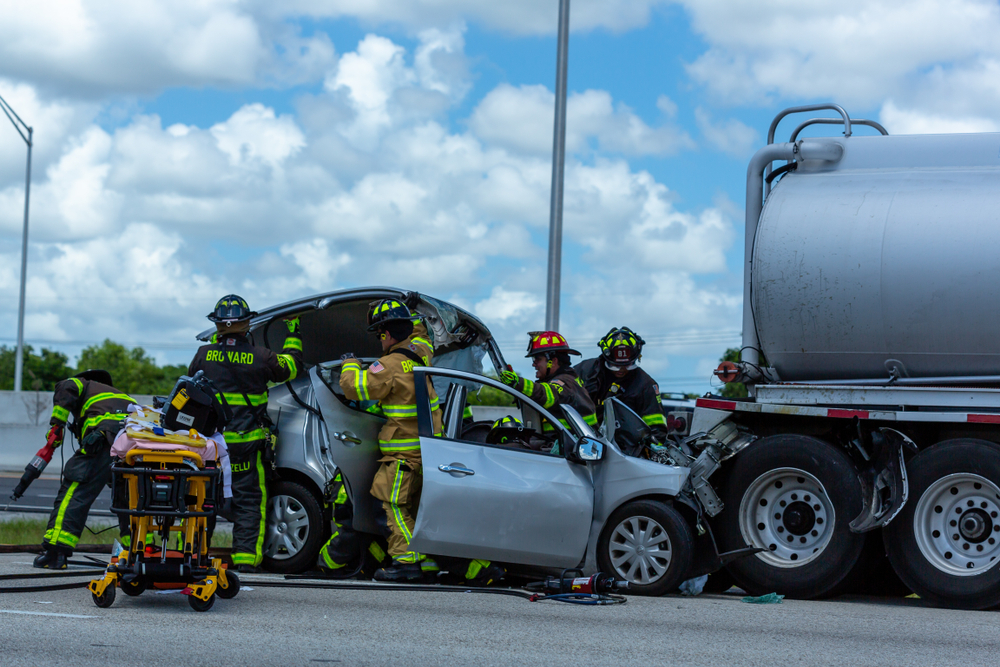
$3 Million Settlement Reached for Florida Truck Crash Victim A $3 million settlement has been secured for a 50-year-old Florida woman who suffered severe injuries in a four-vehicle pileup in Lake County, Florida. The case reached a settlement mid-trial, bringing closure to a case that has spanned four years. The Accident On February 4, 2021, […]
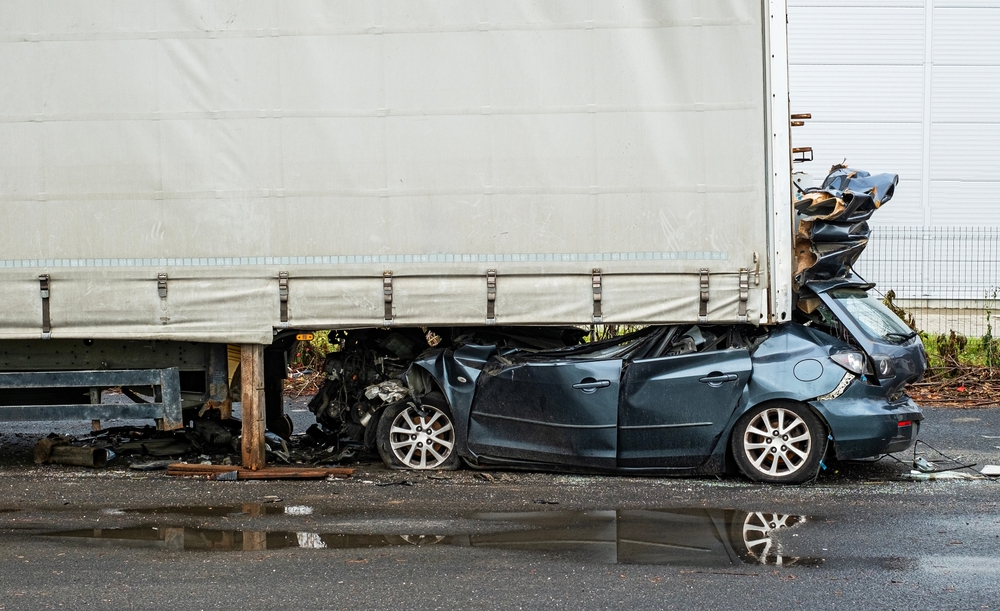
$4 Million Settlement After Passenger Paralyzed in Truck Accident The Accident A passenger who suffered a catastrophic spinal injury in a semi-truck rollover crash has reached a $4 million settlement. The crash occurred when the plaintiff was traveling as a passenger in a semi-truck driven by a friend. While she was asleep in the cab, […]

$310,000 Accident Settlement Secured by Anaheim Truck Accident Attorneys In a notable legal victory, a team of Anaheim car accident attorneys secured a $310,000 settlement for a client who was severely injured in a traffic collision. This accident occurred at the intersection of Gilbert Street and Anaheim Avenue when a pickup truck ran a red […]
$20 Million Lawsuit Initiated After Tragic Tractor-Trailer Accident in Tennessee A grievous accident involving a tractor-trailer has precipitated a $20 million lawsuit, spotlighting severe safety concerns in vehicular operations. The litigation was entered into the federal court records in Greeneville, Tennessee, arising from a July 2023 incident where a tractor-trailer departed Interstate 26 and disastrously […]
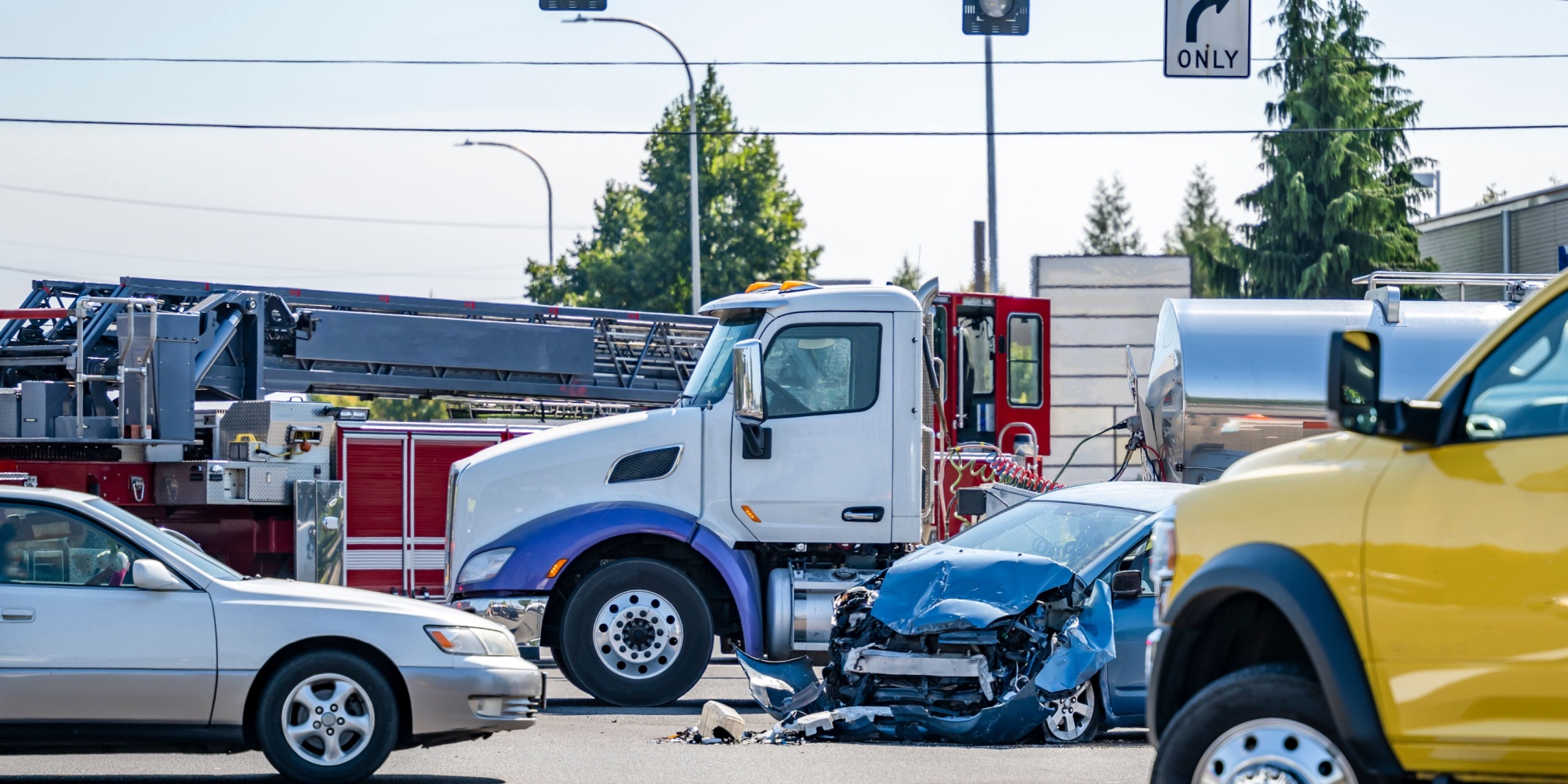
$525K Settlement: Tractor-Trailer Rear-End Collision in New Jersey Leads to Compensation A rear-end collision involving two tractor-trailers on the New Jersey Turnpike resulted in a $525,000 settlement for the plaintiff, Julius Stanley. The incident occurred on January 21, 2022, in Edison, New Jersey. Stanley was driving north when the passenger side of his tractor-trailer cab […]
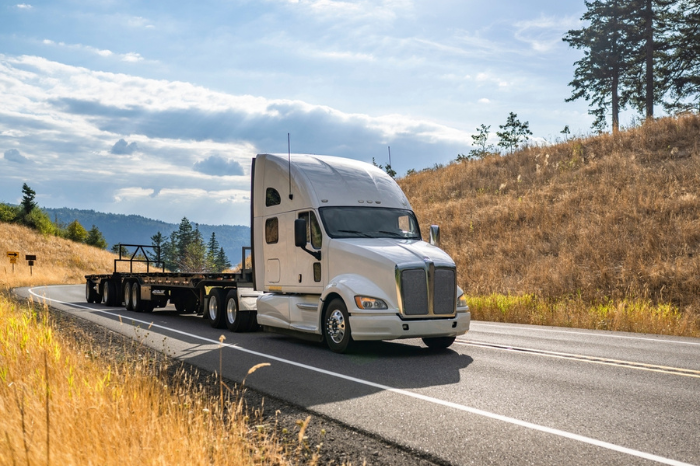
Flatbed Truck Driver Injured in Crash Granted $900,000 Settlement A lawsuit involving a flatbed truck driver injured in a highway crash has settled for $900,000. The Collision & Aftermath On March 11, 2020, a corporate pickup vehicle rear-ended the plaintiff while he was driving a flatbed tractor-trailer on the interstate. When he first went to […]
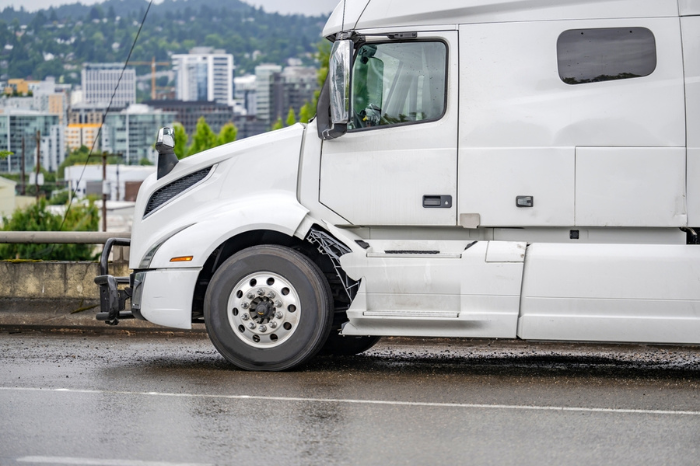
Commercial Trucking Lawsuit Settles for $1 Million An auto accident case has settled for $1 million after a large commerical truck collided with multiple vehicles, causing serious injuries. During the 2022 holiday season, a woman was driving westbound in the far-left lane of Sunset Boulevard in West Columbia, South Carolina. Ms. Sherri came to a […]
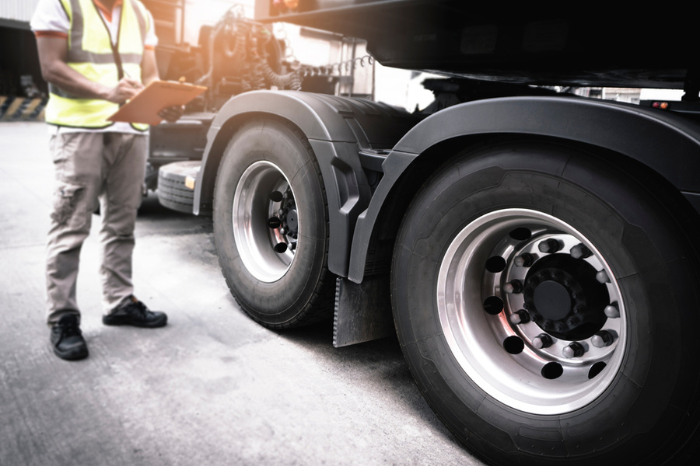
Accident Caused by Tire From Semi Settles $950,000 Case A loose tire from a tractor-trailer caused an accident, leading to a $950,000 settlement for two Missourians. “Most people don’t walk away from that impact,” said attorney John M. Simon. “They did.” Simon’s clients, John Haislip and Katrina Ormsby, were injured when a set of wheels […]

$7.1 Million Settlement Reached for Family of Man Killed in School Bus Collision The family of a man who died after his truck collided with a school bus reached a $7.1 million settlement weeks before the case was set to go to trial, according to the family’s attorney. According to Mike Meyer of Bartimus Frickleton […]
$3 Million Settlement for Man Injured in Rear-End Car Accident A $3 million settlement was reached following a car accident that was aggravated by medical complications from subsequent treatment, leaving a man with chronic spinal problems. “If you cause someone to have surgery, you are on the hook for all foreseeable complications from that surgery,” […]