
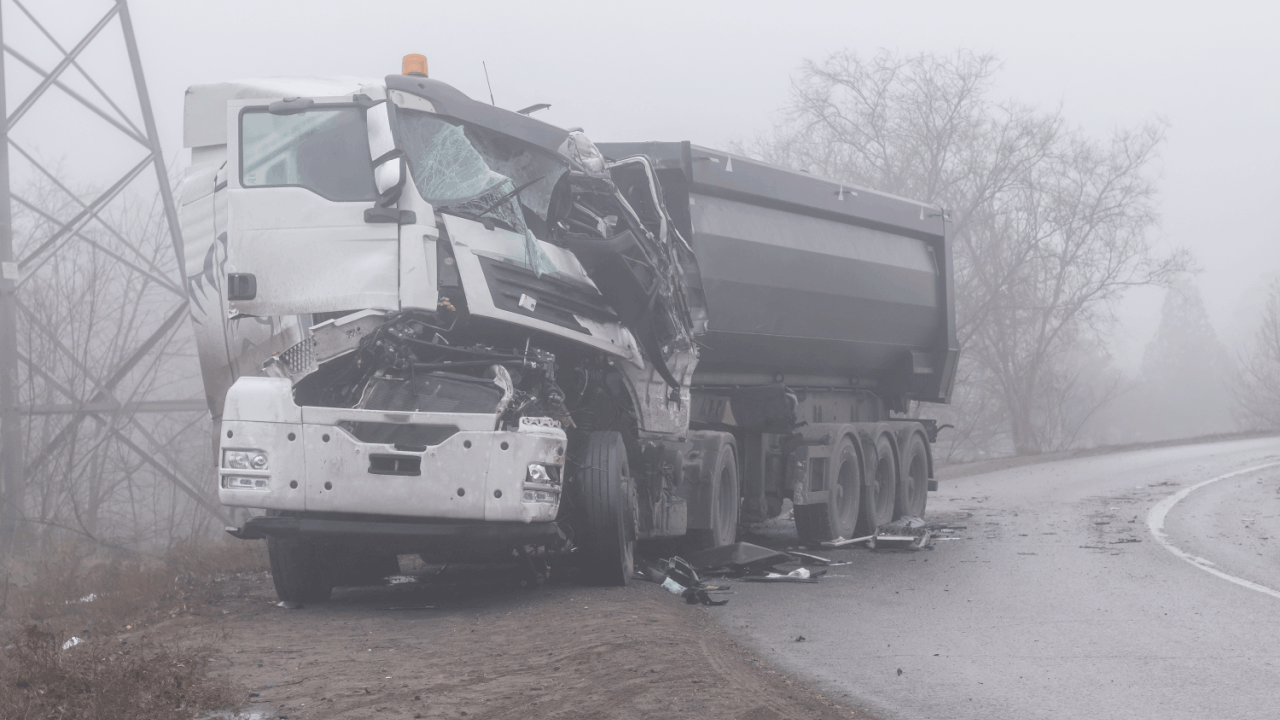
How Often Do Truckers Get Into Accidents and What Does It Mean for Victims?
The Numbers That Matter: How Often Do Truckers Get Into Accidents on U.S. Roads?
Trucking accidents happen far more frequently than many people realize. According to the Federal Motor Carrier Safety Administration, large trucks were involved in roughly 168,000 injury crashes in a recent reporting year. Fatal crashes involving large trucks have also increased over the past decade. These numbers reflect only reported incidents. Many more minor collisions go unrecorded each year.
Commercial trucks travel millions of miles annually. The sheer volume of time on the road increases exposure to dangerous conditions. Highways, construction zones, and night driving all raise crash risk. Driver fatigue, improper loading, and equipment failure are also common contributing factors.
For ordinary motorists, sharing the road with a fully loaded semi-truck presents serious risk. A commercial truck can weigh up to 80,000 pounds. That mass creates devastating force during a collision. Victims often suffer injuries far more serious than those from standard car crashes.
Understanding how frequently these crashes occur is a first step. The next step is knowing who may bear responsibility when one happens.
What Factors Contribute to Trucking Accident Rates?
Several conditions influence how often commercial truck accidents occur. Recognizing these factors can help victims and their families understand what may have gone wrong.
Driver fatigue is one of the most documented risk factors in trucking. The National Safety Council notes that drowsy driving significantly impairs reaction time and judgment. Federal Hours of Service regulations exist specifically to limit how long a driver can operate without rest. Violations of these rules may point to negligence.
Distracted driving also plays a role. Texting, route navigation, and in-cab systems can pull a driver’s attention away from the road. Even a few seconds of inattention at highway speed can be catastrophic.
Vehicle maintenance failures are another common cause. Brake defects, tire blowouts, and faulty lighting can all lead to serious crashes. Federal regulations require carriers to maintain inspection and repair records. Gaps in those records may become important evidence in a claim.
Weather and road conditions also contribute. However, professional drivers are trained and expected to adjust accordingly. Failure to slow down in rain, fog, or ice may reflect poor judgment or inadequate training.
Who May Be Liable After a Trucking Accident?
Liability in a trucking accident is rarely simple. Multiple parties may share responsibility depending on the circumstances. Identifying all liable parties is one reason working with an experienced trucking accident lawyer can matter.
The truck driver may be liable if fatigue, distraction, or reckless behavior caused the crash. The trucking company may also face liability. Under federal regulations, carriers are responsible for driver training, vehicle maintenance, and Hours of Service compliance. If a company cut corners to meet delivery deadlines, that conduct may be relevant.
Third parties may also bear responsibility. A freight broker who hired an unqualified carrier could share fault. A cargo loading company may be liable if improper loading caused the truck to tip or jackknife. A parts manufacturer could be responsible if a defective component failed without warning.
Determining liability and negligence in trucking cases often requires a thorough investigation. Evidence such as black box data, driver logs, inspection records, and surveillance footage may all be relevant. This type of evidence can deteriorate or disappear quickly after a crash.
What Should Victims Do After a Trucking Accident?
Knowing what to do in the aftermath of a collision may protect a victim’s ability to pursue a claim. Certain missteps can complicate the legal process later.
Seeking medical attention should be the first priority. Even injuries that seem minor may become serious over time. Medical records also serve as documentation of harm.
Preserving evidence matters. Photographs of the scene, vehicle damage, and visible injuries can support a claim. Witness contact information should be collected when possible. Avoid giving recorded statements to insurance adjusters without legal guidance.
Understanding your rights is also important. Trucking companies and their insurers often respond quickly after a crash. Their goal is typically to limit liability. Victims who try to navigate this process alone may find themselves at a disadvantage.
Understand Your Legal Options After a Trucking Crash
The question of how often do truckers get into accidents reflects a broader reality. These crashes are common, serious, and legally complex. Victims may face long recoveries, significant financial burdens, and uncertainty about the path forward.
A qualified attorney can review the facts of your case and explain what legal options may be available. No two accidents are alike. The circumstances, regulations involved, and parties responsible will vary. Getting informed guidance early may make a meaningful difference.
Speak With a Trucking Accident Attorney Today
If you or someone you love was injured in a trucking accident, understanding your rights is an important first step. Attorneys who handle these cases can walk you through the claims process. They can also identify liable parties and explain how state and federal trucking laws may apply. To connect with legal professionals who handle these cases, explore accident resources or request legal assistance today. You can also learn more about trucking accident liability and what it may mean for your situation.
Frequently Asked Questions
1. How often do truckers get into accidents compared to regular drivers?
Commercial truck drivers cover far more miles annually than most drivers, and large trucks are involved in hundreds of thousands of crashes each year. However, crash rates per mile traveled vary based on carrier safety records and regulatory compliance.
2. Can I file a claim against a trucking company directly?
In many cases, yes. Trucking companies may be held liable for driver conduct, vehicle maintenance failures, or hiring practices. An attorney can assess which parties may be responsible in your specific situation.
3. How long do I have to file a trucking accident claim?
Filing deadlines vary by state and can range from one to several years. Speaking with an attorney promptly may help ensure you do not miss important deadlines.
4. What evidence is most important in a trucking accident case?
Black box data, driver logs, maintenance records, and surveillance footage are often key. This evidence can be time-sensitive and may need to be preserved quickly after an accident.
5. What types of damages may be available after a trucking accident?
Victims may be able to pursue compensation for medical expenses, lost income, pain and suffering, and other losses. What is recoverable can vary based on the facts of the case and applicable state law.
Key Takeaways
- Large commercial trucks are involved in tens of thousands of injury crashes in the United States each year.
- Driver fatigue, distracted driving, and maintenance failures are among the most common contributing factors to trucking accidents.
- Multiple parties may share liability in a trucking crash, including drivers, carriers, and third-party contractors.
- Evidence such as black box data and driver logs is time-sensitive and should be preserved as soon as possible after a crash.
- Speaking with a licensed attorney early may help victims understand their rights and navigate the claims process more effectively.