What Victims Should Understand: Why Are Truck Accidents So Serious
Why Are Truck Accidents So Serious: Understanding What Makes Commercial Truck Crashes Uniquely Destructive
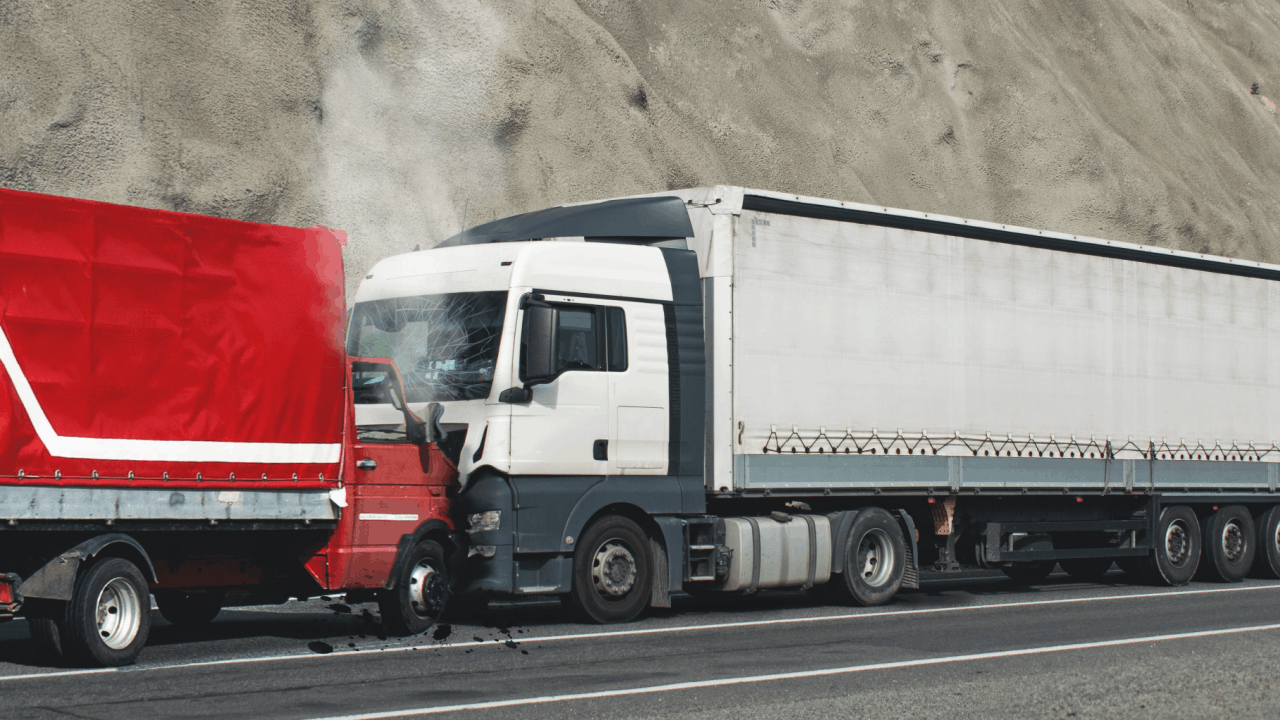
Why are truck accidents so serious begins with a basic physical reality. A fully loaded tractor-trailer can reach 80,000 pounds. The average passenger car weighs roughly 4,000 pounds. That size gap creates a collision dynamic unlike anything seen in crashes between two passenger vehicles.
Preliminary data from 2023 indicates that roughly 82% of victims killed in fatal truck crashes were not the truck driver or truck passengers — they were occupants of other vehicles, pedestrians, or cyclists. That disparity reflects the structural imbalance at the heart of every truck collision. You can review large truck crash data directly from the FMCSA crash report.
Severity of Injuries Sets Truck Accident Cases Apart
The injury profile in truck accident cases is one reason these crashes carry serious legal weight. Victims who survive a collision with a large commercial vehicle often face months or years of medical treatment. Some injuries result in permanent disability. Others require surgical intervention, physical therapy, and long-term care management.
Traumatic brain injuries are among the most common and most complex outcomes in serious truck crashes. These injuries may not be immediately visible. Symptoms can develop hours or days after the collision. Victims may experience memory loss, cognitive impairment, and personality changes that affect their ability to work and maintain daily life.
Spinal cord injuries present a similar pattern. Even partial spinal damage can limit mobility, sensation, and bodily function. Full paralysis, though less common, does occur in high-impact truck crashes. These outcomes translate directly into long-term medical costs, lost earning capacity, and altered quality of life.
The Legal Landscape After a Serious Truck Crash
Truck accident cases involve legal complexity that goes beyond what most personal injury claims require. Commercial trucking is governed by a separate regulatory framework enforced by the Federal Motor Carrier Safety Administration. Those regulations cover driver qualifications, vehicle maintenance, cargo securement, and operational hours.
When a crash occurs, investigators may examine whether the truck driver, the motor carrier, a cargo loading company, or a vehicle parts manufacturer contributed to the event. Learn more about how liability and negligence are evaluated in trucking crash cases. Multiple parties can share responsibility depending on the facts. That multi-party structure makes these cases more legally involved than crashes between private individuals.
The involvement of commercial insurance carriers adds another layer of complexity. Trucking companies typically carry higher liability coverage than individual drivers. Those insurers have legal teams experienced in minimizing claim outcomes. Victims who attempt to navigate the claims process without legal guidance may find themselves at a significant disadvantage. Learn more about finding a qualified truck attorney to assist with your claim.
How Speed and Stopping Distance Increase Risk
Stopping distance is one of the most underappreciated factors in truck crash severity. A fully loaded commercial truck traveling at highway speed requires significantly more distance to come to a complete stop than a passenger vehicle. Tractor-trailers typically require 20 to 40 percent more stopping distance than passenger cars, especially on wet roads.
That extended stopping distance means that when a road hazard appears suddenly, truck drivers have far less margin for error than car drivers. At highway speeds, even a brief delay in braking can result in a collision that might have been avoided in a lighter vehicle.
Speed compounds the problem. Kinetic energy increases exponentially with velocity. A truck traveling at 65 miles per hour carries dramatically more energy than one traveling at 45. When that energy is transferred to a passenger vehicle in a crash, the structural consequences can be severe. The FMCSA and NHTSA jointly conducted the Large Truck Crash Causation Study to examine the reasons behind serious crashes involving large trucks, and the findings continue to shape how regulators and legal professionals evaluate crash responsibility. You can review the full findings from that federal crash study.
Why Truck Accidents Demand Serious Attention
Why are truck accidents so serious? Because nearly every factor involved — vehicle size, stopping distance, injury severity, and legal complexity — works against the occupants of smaller vehicles. The physical forces at play in these crashes produce outcomes that are rarely minor. Victims often face long recoveries, significant medical needs, and a claims process that requires careful navigation.
Understanding why these crashes cause such serious harm is the first step toward making informed decisions after one occurs. This article provides general information only. It is not legal advice, and it does not create an attorney-client relationship.
Explore Your Legal Options After a Truck Accident
If you or someone you care about has been injured in a collision with a commercial truck, understanding your legal options may be an important next step. Trucking accident cases involve distinct regulations, multiple potential parties, and time-sensitive evidence. Speaking with a licensed attorney may help clarify how the law applies to your specific situation.
Explore how truck accident claims are evaluated and what steps victims commonly take after a serious crash. If you are an attorney or legal professional seeking pre-qualified trucking accident cases, you can also learn about exclusive legal leads in this practice area.
Frequently Asked Questions
1. Why are truck accidents so serious compared to regular car accidents?
Commercial trucks can outweigh passenger cars by more than 70,000 pounds. That weight difference means smaller vehicles absorb far more force in a collision, leading to more severe injuries and greater property damage.
2. What types of injuries are most common in serious truck crashes?
Traumatic brain injuries, spinal cord injuries, broken bones, and internal organ damage are among the most frequently documented injuries in large truck collisions. Recovery timelines can be lengthy and unpredictable.
3. Who may be held responsible after a serious trucking accident?
Responsibility may extend to the truck driver, the motor carrier, cargo loading personnel, or vehicle parts manufacturers. A licensed attorney can evaluate the specific facts of a crash to identify which parties may be liable.
4. How is a truck accident claim different from a regular car accident claim?
Truck accident claims involve federal regulations, commercial insurance carriers, and multiple potentially liable parties. Evidence such as driver logs and maintenance records must often be preserved quickly to support a claim.
5. Is there a time limit for filing a truck accident injury claim?
Statutes of limitations vary by state and can affect a victim’s ability to pursue a claim. Consulting a licensed attorney promptly after a crash may help protect your legal rights within applicable deadlines.
Key Takeaways
- Commercial trucks can weigh up to 80,000 pounds, creating extreme force disparities in crashes with passenger vehicles.
- The majority of fatalities in fatal truck crashes involve occupants of other vehicles, not the truck driver.
- Injuries in serious truck crashes frequently require hospitalization and may result in long-term or permanent disability.
- Truck accident cases involve federal regulations, multiple liable parties, and time-sensitive evidence that may require prompt legal action.
- Stopping distance limitations at highway speeds significantly reduce a truck driver’s ability to avoid sudden road hazards.